Category: Job Oriented Blogs

  • Statistics for Data Science

    Statistics plays a fundamental role in the field of data science, providing the tools and techniques necessary to extract meaningful insights from vast amounts of data. By utilizing statistical methods, data scientists can explore, analyze, and interpret data to uncover patterns, make predictions, and support data-driven decision-making. This article serves as a comprehensive guide to statistics in data science, covering key concepts, techniques, and applications that are essential for any aspiring or practicing data scientist. From descriptive statistics to inferential statistics, probability theory to hypothesis testing, regression analysis to experimental design, this article delves into the realm of statistics and its integration with data science, highlighting how these disciplines work together to extract actionable insights from complex data sets.

    Enquire Now for any Query

    1. Introduction to Statistics in Data Science

    1.1 Importance of Statistics in Data Science

    Statistics is like the secret sauce that makes data science come alive. It provides a set of tools and techniques that allow us to draw insights, make informed decisions, and unravel the mysteries hidden within vast amounts of data. Without statistics, data science would be like a puzzle missing its pieces – incomplete and frustrating. By understanding and applying statistical concepts, data scientists can transform raw data into meaningful information.

    1.2 Key Concepts and Terminology

    Before diving into the statistical deep end, it’s important to get familiar with some key concepts. Probability, variables, distributions, hypothesis testing – these are just a few terms you’ll encounter along the statistical journey. Probability helps us understand the likelihood of events occurring, while variables are the characteristics we measure or observe. Distributions describe how data is spread out, and hypothesis testing allows us to make decisions based on evidence. Get comfortable with these terms, and you’ll be speaking the statistical language in no time.

    2. Descriptive Statistics: Exploring and Summarizing Data

    2.1 Measures of Central Tendency

    When faced with a pile of data, it’s helpful to have some tools to understand its center. Measures of central tendency, such as the mean, median, and mode, allow us to determine where the data is concentrated. The mean gives us the average, the median tells us the middle value, and the mode reveals the most frequent value. These measures help us summarize the data and get a sense of its overall pattern.

    2.2 Measures of Variability

    Variability is the spice of life, and it’s no different in statistics. Measures of variability, such as the range, variance, and standard deviation, help us understand how spread out our data is. The range gives us the difference between the maximum and minimum values, while variance and standard deviation quantify the average distance of each data point from the mean. These measures provide insights into the diversity or uniformity of our data.

    2.3 Data Visualization Techniques

    A picture is worth a thousand data points. Data visualization techniques allow us to explore and communicate patterns within our data. Bar charts, line graphs, scatter plots – these visual tools help us understand relationships, identify outliers, and present our findings in a way that even non-statisticians can appreciate. So, brush up on your graph-making skills, and let your data do the talking.

    3. Inferential Statistics: Drawing Conclusions and Making Predictions

    3.1 Probability Distributions

    Inferential statistics takes us from the known to the unknown. Probability distributions, such as the normal distribution and the binomial distribution, help us understand the probabilities of different outcomes. By fitting our data to these distributions, we can make predictions and draw conclusions about the larger population from which our data was sampled.

    3.2 Sampling Methods

    Sampling is like throwing a dart at a target to understand the whole picture. In inferential statistics, we often work with a sample of data to make inferences about the entire population. But not all samples are created equal. Different sampling methods, like simple random sampling or stratified sampling, allow us to ensure that our sample is representative and unbiased, giving us more confidence in our conclusions.

    3.3 Confidence Intervals

    Confidence, like a good friend, helps us trust our findings. Confidence intervals provide a range of values within which we can be reasonably confident that the true population parameter lies. They give us a sense of the uncertainty associated with our estimates and allow us to make statements about population characteristics. So, the next time you’re uncertain about the precision of your results, remember to embrace the power of confidence intervals.

    3.4 Estimation and Prediction

    Estimation and prediction are like two peas in a statistical pod. Estimation allows us to estimate population parameters based on sample data, while prediction enables us to make informed guesses about future events. Armed with the right statistical techniques, we can estimate means, proportions, and other unknowns with a reasonable degree of accuracy. So, if you’re curious about what lies ahead, let statistics be your crystal ball.

    4. Probability Theory: Foundation of Statistical Analysis

    4.1 Basic Concepts of Probability

    Probability theory is the backbone of statistical analysis. It helps us quantify uncertainty, predict outcomes, and make decisions in the face of incomplete information. Basic concepts like events, sample spaces, and probability rules lay the foundation for understanding the language of probability. So, embrace your inner gambler (responsibly, of course) and let probability guide you through the world of uncertainty.

    4.2 Conditional Probability

    Life is full of conditions, and probability is no exception. Conditional probability allows us to calculate the likelihood of an event given that another event has occurred. It’s like putting on a detective’s hat and uncovering the hidden relationships between variables. So, if you’re a fan of “if-then” puzzles, conditional probability will be right up your alley.

    4.3 Bayes’ Theorem

    Bayes’ Theorem is like a statistical magic trick that helps us update our beliefs based on new evidence. It allows us to calculate the probability of an event given prior knowledge and new data. With Bayes’ Theorem, we can make better decisions and refine our predictions as new information comes to light. So, prepare to be amazed by the power of Bayesian reasoning and embrace the art of updating your beliefs.

    Now that you have a taste of the statistical feast that awaits in the world of data science, get ready to dive in headfirst. Statistics is not just about numbers and formulas; it’s about understanding the stories that data has to tell. So, grab your statistical toolkit and embark on a journey of discovery, one data point at a time.

    5. Hypothesis Testing: Evaluating Data and Making Inferences

    In the world of data science, hypothesis testing is a powerful tool for evaluating data and drawing meaningful inferences. It allows us to make educated guesses about the population based on sample data.

    5.1 Null and Alternative Hypotheses

    When conducting a hypothesis test, we start with two competing hypotheses: the null hypothesis and the alternative hypothesis. The null hypothesis states that there is no significant difference or relationship between variables, while the alternative hypothesis states the opposite.

    Think of it this way: the null hypothesis is like saying “nothing to see here, folks!” while the alternative hypothesis says “hold on, there’s something worth investigating!”

    5.2 Type I and Type II Errors

    In hypothesis testing, there are two types of errors that can occur. A Type I error is when we reject the null hypothesis when it is actually true. It’s like crying wolf when there’s no wolf. On the other hand, a Type II error is when we fail to reject the null hypothesis when it is actually false. It’s like not noticing the wolf right in front of us.

    Knowing the possibilities of these errors helps us understand the reliability of our results and the potential consequences of drawing incorrect conclusions.

    5.3 Test Statistic and P-value

    To assess the strength of evidence against the null hypothesis, we calculate a test statistic using the sample data. This test statistic follows a specific distribution, depending on the hypothesis test being performed.

    The p-value is then determined based on the test statistic. It represents the probability of observing a test statistic as extreme as the one calculated, assuming the null hypothesis is true. A low p-value indicates stronger evidence against the null hypothesis.

    Think of it as akin to being dealt an incredibly rare hand in a card game. The lower the probability, the more likely it is that something unusual or significant is happening.

    5.4 Common Hypothesis Tests

    There are several common hypothesis tests used in data science, including t-tests, chi-square tests, and ANOVA. T-tests are often used to compare means, chi-square tests evaluate categorical data, and ANOVA assesses differences among multiple groups.

    These tests allow us to explore various aspects of the data and answer specific questions or make comparisons between groups or variables.
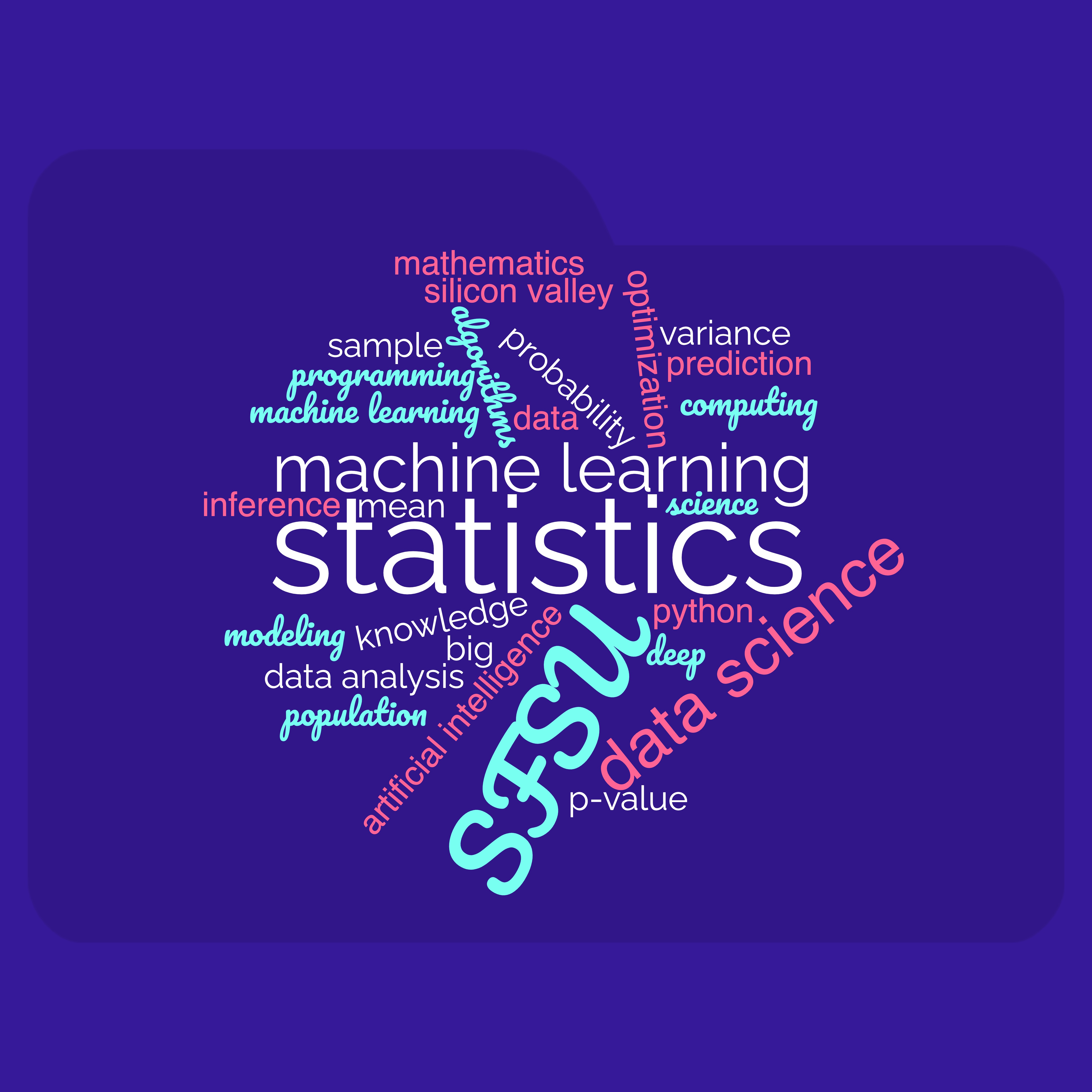
    ONLEI Technologies , Statistics for Data Science , Job Oriented Course

    6. Regression Analysis: Modeling Relationships and Making Forecasts

    Regression analysis is a technique used in data science to model relationships between variables and make forecasts or predictions based on those relationships. It helps us understand how changes in one variable can affect another.

    6.1 Simple Linear Regression

    Simple linear regression is a fundamental form of regression analysis. It examines the relationship between two variables: one independent variable and one dependent variable. By finding the best-fit line that represents the relationship between the two variables, we can make predictions based on the equation of that line.

    It’s like determining how the price of a pizza changes with the number of toppings. The more toppings, the higher the price, and we can estimate how much the price increases for each additional topping.

    6.2 Multiple Linear Regression

    Multiple linear regression expands upon simple linear regression by considering multiple independent variables that may influence a dependent variable. It allows us to analyze the effects of multiple factors and their combined impact on the outcome.

    Think of it as baking a cake. The taste depends not only on the amount of flour but also on the quantities of sugar, butter, and other ingredients. Multiple linear regression helps us understand how each ingredient contributes to the overall flavor.

    6.3 Assessing Model Fit and Interpretation

    When performing regression analysis, it’s crucial to assess the model’s fit to determine its accuracy and reliability. We can evaluate this through metrics like R-squared, which measures how well the model explains the variability in the data.

    Interpreting regression models involves examining the coefficients associated with each independent variable. These coefficients indicate the magnitude and direction of the relationship, enabling us to understand the impact of the variables on the outcome.

    7. Experimental Design: Planning and Conducting Statistical Experiments

    In data science, experimental design plays a vital role in planning and conducting statistical experiments. It allows us to control variables, randomize treatments, and make valid inferences about cause and effect relationships.

    7.1 Basics of Experimental Design

    Experimental design involves designing experiments with precise objectives and well-defined treatments or conditions. It ensures that the experiment is conducted in a way that yields reliable and meaningful results.

    Think of it as setting up a scientific laboratory, where you carefully design your experiment, control variables, and follow a structured plan to ensure accurate and valid conclusions.

    7.2 Control Groups and Randomization

    Control groups are an essential component of experimental design. They serve as a baseline against which we compare the effects of different treatments. By having a control group, we can isolate the specific impact of the treatment variable.

    Randomization is another crucial aspect of experimental design. It helps minimize bias by randomly assigning participants or subjects to different treatment groups, ensuring that the groups are comparable and any differences observed are likely due to the treatment.

    7.3 Factorial Designs and Analysis of Variance (ANOVA)

    Factorial designs involve studying multiple factors simultaneously and examining their combined effects. This approach allows us to understand how different variables interact to influence outcomes.

    Analysis of Variance (ANOVA) is a statistical technique used to analyze differences among group means. It helps us determine whether there are significant differences between groups and which factors contribute to those differences.

    Think of it as tackling a complex puzzle where you have multiple pieces that fit together to form a complete picture. Factorial designs and ANOVA help us unravel the relationships among multiple variables.

    8. Machine Learning and Statistics: Combining Methods for Data Analysis

    Machine learning and statistics go hand in hand when it comes to data analysis. By combining these methods, data scientists can uncover patterns, make predictions, and gain valuable insights.

    8.1 Statistical Learning Theory

    Statistical learning theory provides the foundation for understanding the concepts and algorithms used in machine learning. It focuses on developing models and algorithms that can learn from data and make predictions.

    Think of it as learning how to ride a bicycle. Statistical learning theory gives us the tools and knowledge to understand the principles of balance and control, allowing us to apply those skills to different situations.

    8.2 Supervised vs Unsupervised Learning

    In machine learning, there are two main types of learning: supervised and unsupervised learning.

    Supervised learning involves training a model on labeled data, where the outcome variable is known. The model learns patterns in the data to make predictions or classify new instances.

    Unsupervised learning, on the other hand, deals with unlabeled data. Algorithms here aim to discover patterns or groupings within the data without any prior knowledge of the outcome variable.

    It’s like playing a game. In supervised learning, we have a coach who tells us the rules and guides our decisions. In unsupervised learning, we explore the game without any

    In conclusion, statistics forms the backbone of data science, providing a solid framework for understanding, analyzing, and interpreting data. By leveraging statistical techniques, data scientists can make informed decisions, identify patterns, and uncover valuable insights that drive innovation and progress. Whether it’s exploring descriptive statistics, conducting hypothesis tests, or building regression models, a strong foundation in statistics is essential for any data scientist. By continuing to develop and refine statistical skills, data scientists can unlock the full potential of data and contribute to the advancement of various industries and fields. Embracing the power of statistics in data science opens up endless possibilities for extracting knowledge from data and making data-driven decisions in an increasingly data-rich world.

    FAQ

    1. Why is statistics important in data science?

    Statistics is important in data science because it provides the necessary tools and techniques to analyze and interpret data. It helps data scientists make sense of complex datasets, identify patterns, and draw meaningful insights. Statistics also plays a crucial role in hypothesis testing, regression modeling, experimental design, and decision-making in data-driven organizations.

    2. Can I perform data science without a strong background in statistics?

    While a solid understanding of statistics is highly beneficial for data science, it is possible to perform certain data science tasks without an extensive background in statistics. However, having a good understanding of statistical concepts and techniques will greatly enhance your ability to extract meaningful insights from data and make more accurate predictions. It is recommended to invest time in learning and mastering the key statistical methods and concepts to excel in the field of data science.

    3. What statistical techniques are commonly used in data science?

    There are several commonly used statistical techniques in data science, including descriptive statistics (such as mean, median, and standard deviation), inferential statistics (such as hypothesis testing and confidence intervals), regression analysis (to model relationships between variables), and experimental design (for planning and conducting statistical experiments). Additionally, probability theory and Bayesian statistics are widely used in data science for decision-making and predictive modeling purposes.

    4. How can I further develop my statistical skills for data science?

    To further develop your statistical skills for data science, it is recommended to continue learning and practicing statistical methods and techniques. This can be achieved through online courses, tutorials, textbooks, and real-world projects. Additionally, staying up to date with the latest advancements in statistical modeling, machine learning, and data analysis techniques will help you enhance your expertise and apply statistical concepts effectively in the context of data science.

  • Data Analytics Jobs

    The field of data analytics has witnessed significant growth and transformation in recent years, becoming an integral part of decision-making processes across industries. As companies increasingly recognize the value of data-driven insights, the demand for skilled data analytics professionals has soared. This article explores the job demand for data analytics roles abroad, shedding light on the global trends, key factors driving the demand, and the job opportunities available in different countries and regions. Additionally, it provides insights into the skills and qualifications necessary for a successful career in data analytics, along with tips for landing a job in a foreign country. Understanding the dynamics of the data analytics job market abroad is essential for individuals aspiring to embark on an international career in this rapidly evolving field.

    1. Introduction to Data Analytics Job Market

    Understanding the significance of data analytics

    Data analytics has become an integral part of businesses around the world. By analyzing and interpreting vast amounts of data, companies can gain valuable insights and make informed decisions. From identifying market trends to optimizing operations, data analytics is revolutionizing the way organizations operate.

    Overview of the global job market for data analytics professionals

    The demand for data analytics professionals has skyrocketed in recent years, and it shows no signs of slowing down. Organizations across various sectors are now recognizing the importance of leveraging data to drive their growth and competitiveness. As a result, there is a significant shortage of skilled data analytics professionals to meet this increasing demand.

    Enquire Now for any Query

    2. Global Trends and Growth in Data Analytics

    Rapid expansion and evolution of the data analytics field

    The field of data analytics is constantly evolving, with new technologies and techniques emerging at a remarkable pace. From machine learning and artificial intelligence to predictive modeling and data visualization, data analytics is constantly pushing the boundaries of what is possible.

    Emerging technologies and their impact on data analytics job demand

    Advancements in technology, such as the Internet of Things (IoT) and cloud computing, have generated massive amounts of data. Harnessing this data requires skilled professionals who can extract actionable insights. As a result, the demand for data analytics professionals who can adapt to these new technologies and leverage them effectively is on the rise.

    3. Factors Driving Demand for Data Analytics Professionals

    Increasing reliance on data-driven decision making

    In today’s data-driven world, organizations understand the importance of basing decisions on evidence rather than intuition alone. Data analytics professionals play a crucial role in gathering and analyzing data, enabling businesses to make informed decisions that can lead to increased efficiency, reduced costs, and improved customer satisfaction.

    Growing demand for data-driven insights across industries

    Data analytics is no longer limited to specific industries. From healthcare and finance to retail and entertainment, businesses across all sectors are recognizing the value of data in driving their operations. As a result, the demand for data analytics professionals spans a wide range of industries, creating abundant job opportunities.

    Regulatory and compliance requirements

    Stringent regulations and compliance requirements in various industries, such as finance and healthcare, have increased the need for data analytics professionals. These professionals help organizations ensure they meet regulatory standards and identify potential risks or fraud through data analysis.

    4. Overview of Data Analytics Job Opportunities Abroad

    Exploring job prospects for data analytics professionals in different countries

    Data analytics job opportunities are not limited to a particular country or region. Many countries are actively investing in data analytics, creating a robust job market for skilled professionals. Popular destinations for data analytics professionals include the United States, Canada, the United Kingdom, Australia, and Singapore, among others.

    Comparison of job market conditions and opportunities in various regions

    While the demand for data analytics professionals is high worldwide, job market conditions can vary across regions. Factors such as industry focus, technological advancements, and government initiatives play a role in determining job availability and growth potential. Prospective data analytics professionals should consider these factors when exploring opportunities abroad.

    5. Key Skills and Qualifications for Data Analytics Roles

    Technical skills required for data analytics jobs

    In order to succeed in data analytics roles, it’s crucial to have strong technical skills. This includes proficiency in programming languages such as Python or R, as well as database querying languages like SQL. Knowledge of statistical analysis and data visualization tools like Tableau or Power BI is also highly desirable. In addition, experience with machine learning algorithms and big data technologies can give you a competitive edge in the job market.

    Analytical and problem-solving abilities

    Data analytics professionals are often tasked with extracting valuable insights from complex datasets. This requires strong analytical and problem-solving abilities. You should be able to approach data with a critical mindset, identify patterns and trends, and draw meaningful conclusions. The ability to think logically and creatively in order to solve business problems using data is highly valued in this field.

    Business acumen and domain-specific knowledge

    A successful data analyst not only understands the technical aspects of the job but also possesses business acumen and domain-specific knowledge. It’s important to have a deep understanding of the industry or field you’re working in, as this knowledge will help you ask the right questions and provide valuable insights to drive decision-making. Being able to communicate data findings in a clear and meaningful way to stakeholders is also crucial in this role.

    6. Top Countries and Regions for Data Analytics Job Opportunities

    Overview of data analytics job prospects in the United States

    The United States remains a hotbed for data analytics job opportunities. With its thriving tech industry and numerous companies in sectors such as finance, healthcare, and e-commerce, the demand for data analytics professionals is high. Cities like San Francisco, New York, and Chicago are known for their vibrant tech scenes and offer plenty of job openings in this field.

    Opportunities and trends in Europe for data analytics professionals

    Europe is also witnessing a growing demand for data analytics professionals. Countries like the United Kingdom, Germany, and France have established themselves as major hubs for tech and data-driven industries. The rise of artificial intelligence, machine learning, and Internet of Things (IoT) technologies in various sectors has further fueled the need for skilled data analysts in Europe.

    Growth and demand for data analytics talent in Asia-Pacific

    The Asia-Pacific region is experiencing significant growth in data analytics job opportunities. Countries like India, China, and Singapore have seen a surge in demand for data analysts due to their booming technology sectors. Additionally, financial centers like Hong Kong and Tokyo are actively seeking data analytics talent to analyze large volumes of financial data. The region’s expanding digital economy and focus on data-driven decision-making make it a promising destination for data analytics professionals.

    7. Challenges and Future Outlook for Data Analytics Jobs Abroad

    Addressing talent shortage and skill gaps in the industry

    While the demand for data analytics professionals is high, there is also a shortage of skilled talent in the industry. Employers often struggle to find candidates with the right combination of technical skills, business acumen, and domain expertise. To overcome this challenge, individuals looking to pursue a career in data analytics should invest in continuous learning and acquire the necessary skills and knowledge to meet the industry’s demands.

    Impact of automation and artificial intelligence on job roles

    As automation and artificial intelligence (AI) technologies advance, there is concern about the impact on data analytics job roles. Some routine tasks may be automated, but this also opens up opportunities for more complex analysis and strategic decision-making. Data analysts who can adapt and embrace emerging technologies will continue to be in demand, as their expertise in understanding and interpreting data will be crucial in maximizing the benefits of automation and AI.

    Predictions for the future of data analytics job market

    The future of the data analytics job market looks promising. As organizations increasingly rely on data-driven insights to stay competitive, the demand for skilled data analytics professionals will continue to grow. The expansion of digital transformation initiatives, the rise of artificial intelligence, and the need to navigate big data will drive job opportunities in this field. Data analysts who can demonstrate their value in driving business outcomes through data-driven decision-making will be in high demand.

    8. Tips for Landing a Data Analytics Job in a Foreign Country

    Developing a strong technical skill set

    To stand out in the competitive job market abroad, it’s important to develop a strong technical skill set. Continuously enhance your programming skills, statistical analysis abilities, and knowledge of data visualization tools. Stay updated with the latest trends and technologies in the field of data analytics to remain competitive and meet the demands of employers.

    Building a professional network and leveraging connections

    Networking can play a crucial role in landing a data analytics job abroad. Attend industry events, join online communities, and connect with professionals in the field. Building relationships with industry experts can provide valuable insights, job leads, and recommendations. Leverage your connections and actively seek opportunities to showcase your skills and expertise.

    Data Analytics , ONLEI Technologies , ONLEI Job , ONLEI Technologies Job , Job Oriented Course, Training , ONLEI Course
    Adapting to cultural and language differences

    When pursuing a data analytics job abroad, adapting to cultural and language differences is essential. Familiarize yourself with the local customs, work practices, and business etiquette of the country you’re targeting. Language skills can also give you a significant advantage in the job market, so consider learning the local language if possible. Demonstrating cultural sensitivity and the ability to work effectively in diverse environments will enhance your chances of success.In conclusion, the demand for data analytics professionals abroad continues to surge, driven by the increasing reliance on data-driven decision making and the need for insights across various industries. As the field evolves and new technologies emerge, data analytics job opportunities will continue to expand globally. However, it is crucial for aspiring professionals to acquire the necessary skills and qualifications to stay competitive in the job market. By keeping abreast of global trends, leveraging networking opportunities, and adapting to the unique challenges of working in foreign countries, individuals can position themselves for success in the dynamic and rewarding field of data analytics.

    FAQ for Data Analytics Job Demand in Abroad

    1. What is driving the demand for data analytics professionals abroad?

    The demand for data analytics professionals abroad is primarily driven by the increasing reliance on data-driven decision making, the need for actionable insights across industries, and regulatory/compliance requirements. Companies worldwide are recognizing the importance of leveraging data analytics to gain a competitive edge and drive business growth.

    2. Which countries offer the best job opportunities for data analytics professionals?

    Several countries offer excellent job opportunities for data analytics professionals. The United States, with its thriving tech industry and data-centric companies, presents numerous job prospects. Europe, particularly in countries like the United Kingdom, Germany, and the Netherlands, also showcases a strong demand for data analytics talent. Additionally, countries in the Asia-Pacific region, such as India, Singapore, and Australia, have witnessed significant growth in data analytics job opportunities.

    3. What skills and qualifications are necessary for a career in data analytics abroad?

    To excel in a data analytics career abroad, individuals should possess a strong foundation in technical skills such as programming, statistical analysis, and data visualization. Proficiency in tools and technologies like Python, R, SQL, and Tableau is highly sought after. Analytical and problem-solving abilities, along with business acumen and domain-specific knowledge, are also crucial for success in data analytics roles.

    4. Are there any challenges to consider when pursuing a data analytics job abroad?

    While pursuing a data analytics job abroad can be rewarding, there are challenges to consider. These include potential talent shortages and skill gaps in certain regions, cultural and language barriers, and the impact of automation and artificial intelligence on job roles. However, with proper preparation, continuous learning, and adaptability, these challenges can be overcome to build a successful career in data analytics abroad.

  • Data Science Training in Texas

    As the demand for skilled data scientists continues to grow, it becomes essential to acquire the necessary knowledge and expertise in this field. ONLEI Technologies offers comprehensive data science training in Texas, providing individuals with the opportunity to learn and master the foundational concepts and practical skills required to excel in this rapidly evolving field. Through their LIVE online training platform, ONLEI Technologies delivers a dynamic and interactive learning experience, backed by expert instructors and a well-structured curriculum. This article explores the various aspects of data science training at ONLEI Technologies, highlighting the benefits, curriculum, teaching methodology, practical experience, networking opportunities, and the enrollment process. Whether you are an aspiring data scientist or looking to upskill in this field, ONLEI Technologies offers the ideal platform to achieve your goals.

    1. Introduction to Data Science Training

    Data Science Training has become increasingly important in today’s digital world. With the exponential growth of data and the need for businesses to make informed decisions, professionals with data science skills are in high demand. That’s where ONLEI Technologies comes in.

    At ONLEI Technologies, we specialize in providing comprehensive training in data science. We understand the importance of data-driven decision making and the need for individuals to acquire the necessary skills to excel in this field. Our training programs are designed to equip you with the knowledge and tools to become a successful data scientist.

    • Why Data Science Training is important

    Data is the new currency in today’s business landscape. Companies are collecting vast amounts of data, and they need professionals who can analyze and interpret this data to drive business growth. Data science training helps individuals develop the skills to extract meaningful insights from data, make predictions, and solve complex problems.

    • Introduction to ONLEI Technologies

    ONLEI Technologies is a leading online training platform that specializes in providing live online data science training in Texas. With our experienced instructors and comprehensive curriculum, we strive to deliver high-quality education to individuals seeking to enhance their data science skills. Whether you’re a beginner or an experienced professional looking to upskill, ONLEI Technologies is here to support your learning journey.

    2. Overview of ONLEI Technologies’ LIVE Online Training Platform

    At ONLEI Technologies, we understand the importance of flexibility and convenience in today’s fast-paced world. That’s why we offer live online training, allowing you to learn from the comfort of your own home or office.

    • Features of the LIVE Online Training Platform

    Our live online training platform provides an interactive learning experience. You can join real-time classes, interact with instructors and fellow students, and participate in hands-on exercises. We also provide video recordings of each session, so you can revisit the material at your own pace.

    Enquire Now for any Query

    • Benefits of Online Training

    Online training offers several advantages over traditional classroom-based learning. It eliminates the need for commuting, provides flexibility in scheduling, and allows for personalized learning. With our live online training platform, you can learn from experts in the field without geographical limitations, making it convenient for individuals residing in Texas or anywhere around the world.

    3. Comprehensive Curriculum for Data Science Training in Texas

    Our data science training program covers all the core concepts and skills required to excel in this field.

    • Core concepts covered in the training

    Our curriculum includes topics such as statistical analysis, machine learning, data visualization, predictive modeling, and data mining. We also focus on programming languages like Python and R, which are widely used in the data science community.

    • Detailed breakdown of course modules

    The training program is divided into modules that build upon each other to provide a comprehensive understanding of data science. From data exploration and cleaning to advanced machine learning techniques, our modules cover a wide range of topics to ensure you have a solid foundation in data science.

    4. Expert Instructors and Teaching Methodology at ONLEI Technologies

    At ONLEI Technologies, we believe in learning from the best. That’s why our instructors are experienced data scientists with a wealth of knowledge and expertise in the field.

    • Qualifications and expertise of instructors

    Our instructors have advanced degrees in data science and hands-on experience in industry projects. They bring real-world insights into the classroom, allowing you to learn from their practical experiences and industry best practices.

    • Teaching methodologies used for effective learning

    We employ a combination of lectures, hands-on exercises, and real-world case studies to ensure effective learning. Our instructors provide personalized attention and guidance to help you grasp complex concepts and apply them in practical scenarios. We believe in making learning fun and engaging, so expect a mix of wit, humor, and interactive activities throughout the training.

    In conclusion, ONLEI Technologies offers comprehensive data science training in Texas through our live online training platform. With an experienced team of instructors and a curriculum designed to encompass all the essential skills, we aim to equip you with the knowledge and expertise to thrive in the field of data science. So why wait? Join us on this exciting learning journey and unlock the full potential of data science!

    5. Hands-on Projects and Practical Experience in Data Science Training

    • Importance of hands-on projects in data science training

    Data science is a field that thrives on practical application and problem-solving. That’s why hands-on projects are an essential component of data science training. They provide students with the opportunity to apply the theories and concepts they learn in a real-world context. By working on projects, students gain practical experience and develop the skills necessary to tackle complex data problems faced by businesses.

    • Types of projects undertaken during the training

    At ONLEI Technologies, we understand the importance of diverse projects in data science training. Our curriculum includes a range of projects that cover various aspects of data science, such as data cleaning, feature selection, model building, and predictive analytics. Students will have the chance to work on projects related to industries like finance, healthcare, e-commerce, and more. These hands-on projects provide a holistic learning experience and prepare students for real-world data science challenges.

    6. Benefits of Data Science Training at ONLEI Technologies

    • Advantages of choosing ONLEI Technologies for data science training

    Choosing ONLEI Technologies for your data science training comes with several advantages. Our courses are designed and taught by industry experts with extensive experience in the field. We emphasize practical learning, ensuring that you gain the skills and knowledge needed to excel in data science roles. Additionally, our training is conducted live online, allowing for flexibility and access from anywhere. We also provide ongoing support and mentorship to help you succeed in your data science journey.

    • How the training prepares individuals for real-world scenarios

    Our data science training at ONLEI Technologies is tailored to prepare individuals for real-world scenarios. Through hands-on projects, students gain experience in handling different types of data, analyzing trends, and building predictive models. We focus on developing critical thinking and problem-solving skills, enabling students to approach complex data problems with confidence. The training also covers industry best practices and the latest tools and technologies used in the data science field, ensuring that you are well-prepared to tackle challenges in your future career.

    7. Networking and Career Opportunities in Texas for Data Scientists

    • Overview of the data science industry in Texas

    Texas is a thriving hub for data science professionals, with a growing demand for skilled individuals in industries such as technology, healthcare, finance, and energy. Major cities like Austin, Dallas, and Houston are home to numerous tech companies, startups, and renowned research institutions. The state offers a strong job market and a supportive ecosystem for data scientists to thrive and make a significant impact.

    • Networking events and opportunities for data scientists in Texas

    In Texas, there are various networking events and opportunities for data scientists to connect with industry professionals and expand their career prospects. Meetup groups, industry conferences, and data science competitions provide avenues for networking, learning from experienced practitioners, and discovering job opportunities. Additionally, Texas boasts an active data science community where individuals can engage in knowledge sharing and collaboration, fostering growth and development in the field.

    8. Enrollment and Registration Process at ONLEI Technologies

    • Step-by-step guide to enrolling in the training

    Enrolling in data science training at ONLEI Technologies is a straightforward process. First, visit our website and browse our course offerings. Once you have selected the training program that aligns with your goals, click on the enrollment button. You will be directed to a registration page where you need to fill out your personal details and choose your preferred course schedule. After completing the registration form, you will receive a confirmation email with further instructions to complete your enrollment.

    • Payment options and registration

    We offer flexible payment options to make the enrollment process as convenient as possible. You can choose to pay the full course fee upfront or opt for installment payments. At ONLEI Technologies, we understand that affordability is a concern, so we strive to provide competitive pricing options. As for registration deadlines, we encourage interested individuals to enroll as soon as possible as our courses fill up quickly. Be sure to check our website for upcoming registration deadlines to secure your spot in our data science training program.

    In conclusion, ONLEI Technologies provides top-notch data science training in Texas through their LIVE online platform. With a comprehensive curriculum, expert instructors, hands-on projects, and networking opportunities, students can gain the knowledge and practical experience needed to thrive in the field of data science. The enrollment process is straightforward, making it accessible for individuals at all stages of their career. Whether you are a beginner or an experienced professional, ONLEI Technologies offers a valuable opportunity to enhance your data science skills and open doors to new career opportunities. Don’t miss out on the chance to receive high-quality training from industry experts at ONLEI Technologies.

    FAQ

    1. Can I participate in the data science training at ONLEI Technologies if I have no prior experience in the field?

    Yes, absolutely! ONLEI Technologies offers data science training for individuals at all levels of experience. Whether you are a beginner or have some background in data science, the curriculum is designed to provide a solid foundation and gradually build upon your knowledge.

    2. How does the LIVE online training platform of ONLEI Technologies work?

    The LIVE online training platform of ONLEI Technologies allows you to attend classes remotely from the comfort of your own home or any location with an internet connection. It provides a real-time interactive learning experience, enabling you to engage with instructors, ask questions, participate in discussions, and collaborate with fellow students through various online tools and platforms.

    3. What kind of practical experience can I gain during the data science training?

    ONLEI Technologies places a strong emphasis on hands-on learning. Throughout the training, you will have the opportunity to work on practical projects that simulate real-world scenarios. These projects will help you apply the concepts and techniques learned during the training, allowing you to gain valuable practical experience in data science.

    4. Are there any career support services provided after completing the data science training?

    Yes, ONLEI Technologies provides career support services to assist you in advancing your data science career. This includes guidance on job search strategies, resume building, interview preparation, and access to networking opportunities within the industry. ONLEI Technologies strives to support you even after the training to help you achieve your career goals.

  • Prepare your Resume for Data Science Jobs

    Introduction

    As data science continues to shape various industries, the demand for skilled data scientists has skyrocketed. Crafting a well-prepared resume is a crucial step towards securing a rewarding career in this field. However, with the intricate nature of data science positions and the competitive job market, it is essential to understand how to effectively showcase your skills and qualifications. In this article, we will explore key strategies and best practices to prepare your resume for data science jobs. From identifying essential skills to highlighting relevant experience and tailoring your resume for specific applications, we will provide valuable insights to help you stand out as a top candidate in the data science realm.

    1. Understanding the Role of Data Science in the Job Market

    Data Science is not just a buzzword; it’s a rapidly growing field that has become crucial across industries. The demand for Data Science jobs has seen a tremendous upswing in recent years, thanks to the explosion in data availability and the need for insights gained from it. Companies now recognize that data-driven decision making can give them a competitive edge, leading to a surge in opportunities for Data Scientists.

    1.1 The Growth and Demand for Data Science Jobs

    Data Science jobs are on the rise, and the growth shows no signs of slowing down. According to industry reports, the demand for Data Scientists has increased by over 300% in the past few years. This surge in demand is driven by the increasing reliance on data analysis to drive business strategies, improve operational efficiency, and gain valuable insights into customer behavior.

    1.2 The Skills and Expertise Employers Look for in Data Scientists

    To stand out in the competitive field of Data Science, it’s essential to possess certain skills and expertise that employers value. Proficiency in programming languages like Python and R, statistical analysis, machine learning, and data visualization are some of the core technical skills sought after by employers. Additionally, a strong foundation in mathematics and statistics is crucial for understanding complex algorithms and models.

    Enquire Now for any Query

    2. Identifying Key Skills and Qualifications in Data Science

    Data Science requires a diverse range of skills, both technical and non-technical. Let’s explore the key areas that employers look for when hiring Data Scientists.

    2.1 Essential Technical Skills for Data Science (Prepare your resume for Data Science Jobs)

    When it comes to technical skills, proficiency in programming languages such as Python, R, and SQL is a must-have. These languages are widely used for data manipulation, analysis, and building machine learning models. Data Scientists should also have a strong understanding of statistical concepts and techniques to draw meaningful insights from data.

    2.2 Analytical and Problem-Solving Skills in Data Science

    Data Scientists need to possess strong analytical and problem-solving abilities. They should be able to identify patterns, extract insights, and make data-driven decisions. Critical thinking, logical reasoning, and the ability to break down complex problems into manageable parts are highly valued skills in this field.

    2.3 Soft Skills and Communication Abilities

    Data Scientists don’t work in isolation; they often collaborate with cross-functional teams and stakeholders. Therefore, strong communication and teamwork skills are essential. Data Scientists must be able to effectively communicate their findings to both technical and non-technical audiences, bridging the gap between data and business decisions.

    3. Structuring and Formatting a Data Science Resume

    A well-structured and formatted resume can make a significant impact when applying for Data Science jobs. Here are some tips to ensure your resume stands out from the crowd.

    3.1 Choosing an Appropriate Resume Format

    Consider using a chronological or combination resume format that highlights your work experience and skills. These formats allow recruiters to quickly understand your background and qualifications.

    3.2 Organizing Sections and Information (Prepare your resume for Data Science Jobs)

    Start with a concise summary or objective statement to grab the reader’s attention. Follow it with sections that showcase your skills, education, work experience, and relevant certifications. Use bullet points to highlight your achievements and responsibilities in previous roles.

    3.3 Using an ATS-Friendly Layout

    Many companies use Applicant Tracking System (ATS) software to filter resumes. Ensure your resume uses a clean and consistent layout, with clear headings and bullet points. Use relevant keywords and phrases from the job description to increase the chances of getting past the ATS screening.

    4. Highlighting Relevant Experience and Projects

    When it comes to impressing employers, nothing beats relevant experience and impactful projects. Here’s how to showcase your data science prowess on your resume.

    4.1 Showcasing Data Science Projects and Achievements

    Create a dedicated section to highlight your data science projects, including a brief description, the techniques used, and the outcomes achieved. If possible, provide links to GitHub repositories, Kaggle competitions, or any other platforms where your projects are hosted. (Prepare your resume for Data Science Jobs)

    4.2 Demonstrating Professional Experience in Data Science

    If you have professional experience in data science or related roles, emphasize your accomplishments and the impact you made in your previous positions. Quantify your achievements wherever possible, such as the percentage of revenue growth or cost savings achieved through your data-driven insights.

    Remember, your resume is an opportunity to showcase your skills, experience, and passion for data science. Use it wisely to convince potential employers that you are the perfect fit for their data science team. Good luck!

    5. Showcasing Technical Skills and Tools in the Resume

    When it comes to landing a data science job, your technical skills and proficiency with various tools play a crucial role. (Prepare your resume for Data Science Jobs) Make sure to highlight this expertise in your resume to catch the eye of potential employers.

    5.1 Listing Programming Languages and Software Proficiency

    Data science is all about crunching numbers and analyzing data, so employers want to know that you have a solid foundation in programming languages and software commonly used in the field. Whether you’re a Python guru or a master in R, make sure to include these languages in your resume. Don’t forget to mention any other relevant software you’re proficient in, such as SQL or Hadoop.

    5.2 Highlighting Machine Learning and Statistical Analysis Skills

    Machine learning and statistical analysis are like the bread and butter of data science. Employers will be impressed if you can demonstrate your skills in these areas. (Prepare your resume for Data Science Jobs) Whether it’s your experience with algorithms, regression models, or data clustering techniques, be sure to showcase your prowess in machine learning and statistical analysis in your resume.

    5.3 Mentioning Data Visualization and Reporting Abilities

    Data is only as good as its presentation. Employers want data scientists who can effectively communicate their findings through data visualization and reporting. If you’re skilled in tools like Tableau or PowerBI, be sure to mention them. Showcasing your ability to create insightful and visually appealing reports will give you a leg up in the job market.

    6. Demonstrating Domain Knowledge and Industry Expertise

    Data science isn’t just about numbers; it’s about applying those numbers to solve real-world problems. Employers value candidates who understand the industry they’re working in and can apply their data science skills in a domain-specific context.

    6.1 Incorporating Domain-Specific Terminology

    Every industry has its own jargon, and you want to show employers that you’re fluent in their language. (Prepare your resume for Data Science Jobs) Whether it’s healthcare, finance, or e-commerce, incorporating domain-specific terminology in your resume demonstrates your understanding of the industry and makes you stand out as a candidate who can hit the ground running.

    6.2 Highlighting Previous Experience in Relevant Industries

    If you have prior experience working in a relevant industry, make sure to highlight it in your resume. Employers appreciate candidates who have a deep understanding of the challenges and nuances of their field. Whether you’ve worked with healthcare data or financial datasets, emphasizing your previous experience in relevant industries can give you a competitive edge.

    7. Emphasizing Data Science Certifications and Education

    When it comes to data science, formal education and certifications can go a long way in demonstrating your expertise and commitment to the field. Prepare your resume for Data Science Jobs Make sure to shine a light on your educational background and any certifications you have earned.

    7.1 Showcasing Relevant Data Science Certifications

    If you’ve obtained any certifications in data science, machine learning, or related fields, be sure to highlight them in your resume. Certifications show that you’ve invested time and effort into expanding your knowledge and skills, and employers appreciate candidates who continually strive for professional growth.

    8. Tailoring the Resume for Specific Data Science Job Applications

    One size does not fit all when it comes to resumes. To increase your chances of landing your dream data science job, it’s important to tailor your resume to each specific job application.

    8.1 Customizing the Resume for Different Data Science Roles

    Different data science roles may require different skills and emphasize different areas of expertise. Take the time to customize your resume for each job application to highlight the skills and experiences that align with the specific role you’re applying for. By tailoring your resume, you show employers that you’ve done your homework and are genuinely interested in the position.

    8.2 Incorporating Keywords from Job Descriptions (Prepare your resume for Data Science Jobs)

    Pay close attention to the keywords and phrases used in the job descriptions of the positions you’re applying to. Incorporate these keywords into your resume to ensure that it pops up when employers are scanning for relevant skills and qualifications. However, don’t go overboard with the keywords. Use them naturally and in context to avoid sounding like a robot.

    Remember, preparing your resume for data science jobs is all about showcasing your technical skills, industry expertise, and educational background while customizing it for each specific application. Keep these tips in mind, and you’ll be well on your way to impressing potential employers in the data science field. Good luck!

    Closing Thoughts

    Preparing a data science resume requires careful attention to detail and a strategic approach. By understanding the role of data science in the job market, identifying key skills and qualifications, and effectively showcasing your experience, projects, and technical expertise, you can create a compelling resume that captures the attention of employers. Remember to tailor your resume for specific job applications and emphasize relevant certifications and education. With these essential tips and strategies, you are well-equipped to navigate the competitive landscape and increase your chances of landing your dream data science job. Good luck!

    Frequently Asked Questions

    1. Should I include all my technical skills in my data science resume?

    While it’s important to highlight your technical skills in a data science resume, it is recommended to focus on the most relevant and significant ones. Tailor your skills section to include the key programming languages, tools, and technologies that are commonly sought after in the data science field. Be concise and prioritize the skills that align with the specific job requirements.

    2. How important is it to showcase domain knowledge and industry expertise in a data science resume?

    Demonstrating domain knowledge and industry expertise can greatly enhance your data science resume. Employers often seek candidates who understand the specific challenges and opportunities within their industry. Highlight any previous experience or projects that involve working with data in the relevant sector. This showcases your ability to apply your data science skills in a real-world context and makes you a more valuable candidate.

    3. Can I include non-data science work experience in my data science resume?

    Yes, including non-data science work experience can still be beneficial in your resume. Transferable skills gained from other roles, such as problem-solving, communication, teamwork, and project management, can be valuable assets in a data science position. Highlight any experiences that demonstrate your ability to handle complex tasks, work well in teams, and deliver results. Connect the skills you acquired in those roles to how they can be valuable in a data science context.

    4. How should I address gaps in my employment history in a data science resume?

    If you have gaps in your employment history, be transparent and address them briefly. Focus on any relevant activities or projects you undertook during that time, such as online courses, personal projects, or volunteering. Additionally, if you were engaged in any freelancing or consulting work during those periods, include that information as well. The key is to highlight your continued growth and learning even during employment gaps.

    Visit Now

  • Data Science Course in Paris

    Are you looking to enhance your skills in data science and dive into the world of analytics? Look no further than ONLEI Technologies‘ Data Science Course in Paris. Designed to provide comprehensive training in the field of data science, this course offers live online training, enabling you to learn from industry experts from the comfort of your own home. In this article, we will explore the details of ONLEI Technologies‘ Data Science Course, including the curriculum, training format, experienced instructors, access to real-world data, interactive learning environment, certification opportunities, and registration process. Prepare to embark on an enriching journey that equips you with the knowledge and skills needed to excel in the dynamic field of data science.

    1. Introduction to ONLEI Technologies’ Data Science Course in Paris

    1.1 Overview of ONLEI Technologies

    ONLEI Technologies is a premier technology training institute offering a range of courses in Paris. With an emphasis on practical, hands-on learning, ONLEI Technologies aims to equip students with the skills needed to excel in today’s digital world.

    1.2 Importance of Data Science in Today’s Digital World

    In today’s data-driven era, data science has emerged as a crucial field that helps organizations make informed decisions and gain a competitive edge. By analyzing and interpreting vast amounts of data, data scientists uncover valuable insights that drive innovation and business growth. Understanding the importance of data science is essential for professionals across industries, making it a sought-after skillset in the job market.

    Enquire Now for any Query

    2. Overview of the LIVE Online Training Format

    2.1 Benefits of Online Training ( Data Science Course in Paris )

    Online training offers numerous advantages over traditional classroom-based learning. It eliminates geographical barriers and allows participants to access courses from anywhere in the world. With online training, you can learn at your own pace and fit your studies around your existing commitments. Additionally, online courses often provide interactive resources and support, creating a collaborative learning environment.

    2.2 Flexibility and Convenience of Live Online Classes

    The live online training format offered by ONLEI Technologies provides the best of both worlds – the convenience of online learning with the engagement of live classes. With live online classes, you can interact with instructors in real-time, ask questions, and receive immediate feedback. This format ensures a dynamic and interactive learning experience while still allowing you the flexibility to attend classes from the comfort of your home or office.

    3. Curriculum and Course Structure ( Data Science Course in Paris )

    3.1 Overview of Data Science Curriculum

    The data science course at ONLEI Technologies in Paris covers a comprehensive curriculum that equips students with essential skills in data analysis, machine learning, and statistical modeling. The curriculum is designed to provide a strong foundation in both theoretical concepts and practical applications, ensuring students can effectively apply their knowledge in real-world scenarios.

    3.2 Core Concepts and Techniques Covered

    The course covers a range of core data science concepts and techniques, including data preprocessing, exploratory data analysis, machine learning algorithms, data visualization, and more. Students will learn to work with popular programming languages such as Python and R, as well as utilize data science libraries and tools.

    3.3 Practical Assignments and Hands-on Exercises

    To enhance the learning experience, the course includes practical assignments and hands-on exercises. These exercises allow students to apply their knowledge to solve real-world problems and gain practical experience. By working on these assignments, students develop a deeper understanding of the concepts and build a strong portfolio to showcase their skills to potential employers.

    4. Experienced Instructors and Expert Faculty

    4.1 Qualifications and Expertise of Instructors

    The instructors at ONLEI Technologies are experienced professionals with extensive knowledge and expertise in the data science field. They have in-depth practical experience, enabling them to provide valuable insights and nuances beyond textbook concepts. Their qualifications and industry experience ensure that students receive top-notch instruction and guidance throughout the course.

    4.2 Teaching Methodology and Approach

    The teaching methodology at ONLEI Technologies focuses on a practical and hands-on approach. Instructors use real-world examples and case studies to illustrate the application of data science techniques in various industries. The interactive nature of the live online classes encourages student participation and fosters a collaborative learning environment. The instructors are also committed to providing ongoing support and mentorship to help students succeed in their data science journey.

    5. Access to Industry-Relevant Projects and Real-World Data

    5.1 Hands-on Experience with Real Data Sets

    When it comes to learning data science, theory is important but nothing beats hands-on experience. At ONLEI Technologies, our data science course in Paris provides you with the opportunity to work with real data sets. This means you won’t just be reading about data analysis techniques, but actually applying them to real-world scenarios. You’ll gain valuable insights and practical skills that are directly applicable to the industry.

    5.2 Practical Application of Data Science Techniques

    In addition to working with real data sets, our course focuses on the practical application of data science techniques. We understand that data science is not just about crunching numbers, but about solving real-world problems. Through our interactive sessions and projects, you’ll learn how to use your data analysis skills to make informed decisions and drive actionable insights. This practical approach will give you the confidence and ability to apply data science techniques in your future career.

    6. Supportive Learning Environment and Interactive Sessions

    6.1 Collaborative Learning and Peer Interaction

    Learning data science doesn’t have to be a solitary journey. Our data science course in Paris at ONLEI Technologies fosters a supportive learning environment where collaboration and peer interaction are encouraged. You’ll have the opportunity to work with like-minded individuals, share ideas, and discuss challenging concepts. Learning from your peers can be a powerful way to deepen your understanding and gain different perspectives.

    6.2 Q&A Sessions and Doubt Resolution

    We understand that learning data science can sometimes be complex, and doubts are bound to arise. That’s why we provide regular Q&A sessions and dedicated doubt resolution support. Our experienced instructors are here to guide you and ensure that you have a clear understanding of the concepts being taught. Whether you’re stuck on a particular algorithm or need help interpreting your results, we’re here to provide the support you need.

    7. Certification and Career Opportunities

    7.1 Certification upon Course Completion

    Completing the data science course at ONLEI Technologies doesn’t just earn you valuable knowledge and skills, but also a certification. Our certification is a testament to your dedication and proficiency in the field of data science. It serves as a valuable credential to showcase your expertise to potential employers and can boost your career prospects in the competitive data-driven industry.

    7.2 Career Paths in Data Science

    Data science is a rapidly growing field with abundant career opportunities. After completing our course, you’ll be equipped with the necessary skills to pursue various career paths in data science. Whether you want to work as a data analyst, data engineer, machine learning engineer, or data scientist, our course will provide you with a solid foundation to excel in any of these roles. The demand for data science professionals is on the rise, and by acquiring these skills, you’ll position yourself for a successful and lucrative career.

    8. Registration and Enrollment Details

    8.1 How to Enroll in the Data Science Course

    Enrolling in our data science course is quick and easy. Simply visit our website, ONLEI Technologies, and navigate to the course page. There, you’ll find all the necessary information about the course curriculum, schedule, and prerequisites. To enroll, click on the “Enroll Now” button and follow the prompts to complete your registration. If you have any questions during the enrollment process, our friendly support team is always ready to assist you.

    8.2 Course Fees and Payment Options

    We believe in making quality education accessible to everyone. Our data science course at ONLEI Technologies is competitively priced to ensure affordability. The course fee can be paid in a single installment or divided into convenient payment plans. We accept various payment methods, including credit cards, debit cards, and online transfers. If you need further assistance or have any specific payment requirements, please reach out to our support team, and they will be happy to assist you.

    By enrolling in ONLEI Technologies’ Data Science Course in Paris, you are investing in a transformative learning experience that prepares you for a successful career in data science. With a comprehensive curriculum, experienced instructors, hands-on projects, and industry-relevant training, this course equips you with the essential skills and knowledge to thrive in the rapidly evolving field of data science. Don’t miss out on this opportunity to enhance your professional prospects and become a proficient data scientist. Register today and unlock a world of possibilities in the realm of data science.

    FAQ

    1. Can I join the Data Science Course in Paris if I have no prior experience in data science?

    Absolutely! This course is designed to cater to both beginners and individuals with some previous experience in data science. The curriculum is structured to provide a solid foundation in data science concepts and gradually progress to more advanced topics. Whether you are a beginner or have some background in the field, you can benefit from this course and build a strong skill set in data science.

    2. How will the live online training be conducted?

    The live online training sessions will be conducted through a virtual classroom platform. You will have access to interactive sessions where you can engage with the instructors and fellow participants in real time. The training platform allows for screen sharing, presentations, and collaborative discussions, ensuring an immersive and interactive learning experience. All you need is a stable internet connection and a computer or device to participate.

    3. Will I get hands-on experience with real-world data?

    Yes, the Data Science Course at ONLEI Technologies emphasizes practical learning. You will have the opportunity to work on industry-relevant projects and analyze real-world data sets. This hands-on experience will provide you with valuable insights into the challenges and complexities of working with data, enhancing your practical skills and preparing you for real-world data science applications.

    4. Are there any career support services available after completing the course?

    Yes, ONLEI Technologies provides career support services to students who have successfully completed the Data Science Course. This includes guidance on job search strategies, resume building, interview preparation, and connecting with industry professionals. The goal is to assist you in leveraging your newly acquired skills and knowledge to pursue rewarding career opportunities in the field of data science.

  • AI Project ideas for Beginners

    1. Introduction to AI Project Ideas for Beginners

    Welcome to the world of AI project ideas for beginners! Artificial Intelligence (AI) has become an increasingly exciting field, and as a beginner, diving into AI projects can be a rewarding and educational experience. Whether you’re a student, a hobbyist, or simply curious about AI, this article will provide you with a range of project ideas to explore. From sentiment analysis apps to chatbots, recommendation systems to image recognition, predictive modeling to virtual assistants, and even AI in game development, there’s something here for everyone. So, let’s embark on this journey together and discover the possibilities that await in the realm of AI projects for beginners.

    1. Introduction to AI Project Ideas for Beginners

    Why Choose AI Projects for Beginners

    Are you a beginner looking to dive into the exciting world of artificial intelligence (AI)? Well, you’ve come to the right place! AI projects offer a perfect opportunity for beginners to learn and experiment with cutting-edge technology. Plus, they can be a whole lot of fun! AI projects for beginners.

    The Benefits of Working on AI Projects

    Working on AI projects as a beginner comes with several benefits. Firstly, it allows you to gain hands-on experience with AI concepts and techniques, helping you develop practical skills. Secondly, AI projects provide a chance to explore real-world problems and devise innovative solutions. Lastly, engaging in AI projects can boost your portfolio and enhance your career prospects in this rapidly evolving field. So, let’s dive in and explore some exciting AI project ideas for beginners!

    Enquire Now for any Query

    2. Building a Sentiment Analysis App using AI

    Understanding Sentiment Analysis (AI projects for beginners.)

    Imagine if you could train a computer to understand and analyze human emotions and sentiments expressed in text? That’s where sentiment analysis comes into play! Sentiment analysis, also known as opinion mining, involves using natural language processing and machine learning techniques to classify text as positive, negative, or neutral.

    Data Collection for Sentiment Analysis

    To build a sentiment analysis app, you’ll need relevant data to train your model. This can be obtained from various sources, such as social media platforms, customer reviews, or public datasets. Gathering a diverse range of text samples will help your model learn to identify different sentiment patterns.

    Preprocessing and Text Cleaning

    Before feeding the data into your machine learning algorithm, it’s crucial to preprocess and clean the text. This involves removing stopwords, punctuation, and irrelevant characters, as well as tokenizing and normalizing the text. This step ensures that your model can focus on the essential words and features that contribute to sentiment classification.

    Implementing Machine Learning Algorithms for Sentiment Analysis

    Now comes the exciting part! You can use popular machine learning algorithms such as Naive Bayes, Support Vector Machines, or even deep learning techniques like Recurrent Neural Networks (RNNs) to train your sentiment analysis model. With the right data and algorithm, you’ll be able to build an app that accurately predicts sentiments in text.

    3. Developing a Recommendation System with AI

    Introduction to Recommendation Systems

    Have you ever wondered how platforms like Netflix, Amazon, or Spotify suggest personalized recommendations? That’s the power of recommendation systems! Recommendation systems leverage AI to provide users with personalized content, products, or services based on their preferences and behavior.

    Types of Recommendation Systems

    There are various types of recommendation systems, including collaborative filtering, content-based filtering, and hybrid approaches. Collaborative filtering analyzes user behavior and finds similarities between users to make recommendations, while content-based filtering focuses on the characteristics of the items themselves. Hybrid approaches combine both techniques for enhanced accuracy.

    Data Collection and Preprocessing for Recommendation Systems

    To build a recommendation system, you need data about user preferences, item features, and historical interactions. This data can be collected through user feedback, ratings, purchase history, or browsing behavior. Once collected, the data is preprocessed, ensuring it is formatted correctly and ready for analysis.

    Building a Collaborative Filtering Recommendation System (AI projects for beginners.)

    One approach to building a recommendation system is by using collaborative filtering techniques. Collaborative filtering analyzes patterns in user behavior and recommends items based on the preferences of similar users. By employing machine learning algorithms such as matrix factorization or nearest neighbor methods, you can create a recommendation system that suggests items tailored to each user’s taste.

    4. Creating a Chatbot using Natural Language Processing

    Overview of Chatbots and NLP

    Chatbots are all the rage nowadays! These AI-powered virtual assistants simulate human conversation and interact with users in a chat-like manner. (AI projects for beginners) Natural Language Processing (NLP) plays a vital role in understanding and generating human-like responses in chatbots.

    Processing Natural Language and Text Understanding

    To create a chatbot, you need to process and understand natural language input from users. This involves tasks like entity recognition, part-of-speech tagging, and sentiment analysis. NLP libraries such as NLTK, SpaCy, or TensorFlow’s NLP capabilities can provide the necessary tools and frameworks to accomplish these tasks.

    Designing Conversational Flows and Dialogues

    A successful chatbot isn’t just about understanding individual messages; it’s also about engaging in meaningful conversations. Designing conversational flows and dialogues involves mapping out various user intents and creating a system that responds appropriately to different inputs. Dialogflow and Rasa are popular frameworks that can help you design effective chatbot interactions.

    Implementing a Chatbot using NLP Libraries

    To bring your chatbot to life, you can leverage NLP libraries and frameworks to handle the natural language understanding and generation tasks. These libraries provide pre-trained models and APIs that simplify the implementation process. With a bit of creativity and wit, you’ll have a chatbot that can hold engaging conversations with users in no time!

    Now that you have an overview of some exciting AI project ideas for beginners, it’s time to roll up your sleeves and start building. Remember, the key to success is to dive in, embrace the challenges, and have fun along the way. Happy coding!finding and Decision Making in Games

    Creating Intelligent Non-Player Characters (NPCs)
    Implementing AI Algorithms for Game Logic and Behavior

    5. Implementing Image Recognition using Deep Learning

    Understanding Image Recognition and Deep Learning

    If you’ve ever wondered how your phone can recognize your face or how self-driving cars can identify traffic signs, you’re thinking about image recognition. Image recognition is the process of training computers to understand and identify objects or patterns in images.AI projects for beginners Deep learning, a subset of machine learning, plays a crucial role in achieving accurate image recognition. It involves training artificial neural networks to recognize patterns and features in images, allowing them to make predictions and classify objects.

    Collecting and Preparing Image Data

    To build an image recognition model, you need a diverse dataset of labeled images. Start by collecting images of the objects or patterns you want your model to recognize. You can either scrape images from the internet or capture them yourself. Once you have a good collection, it’s time to prepare the data. This involves resizing the images, normalizing pixel values, and splitting the dataset into training and testing sets.

    Building and Training Convolutional Neural Networks

    Convolutional Neural Networks (CNNs) are the backbone of image recognition. They are designed to mimic the visual cortex of humans, making them ideal for processing image data. Build your CNN model using a deep learning framework like TensorFlow or Keras. The architecture of the CNN consists of multiple convolutional and pooling layers, followed by fully connected layers for classification. Train the model using the labeled training dataset and adjust the network’s parameters to optimize its performance.

    Evaluating and Testing the Image Recognition Model

    Once your model is trained, it’s time to evaluate its performance. Use the testing dataset to measure metrics such as accuracy, precision, recall, and F1 score. These metrics indicate how well your model is performing in recognizing and classifying the objects. If the results are satisfactory, you can deploy your model for real-world applications. However, if the performance is not up to par, you may need to fine-tune the model, adjust hyperparameters, or consider using more advanced techniques such as transfer learning.

    6. Building a Predictive Model with Machine Learning

    Introduction to Predictive Modeling

    Predictive modeling is all about using historical data to make predictions about future outcomes. It’s a powerful tool that finds applications in various fields like finance, healthcare, and marketing. The goal is to build a model that can learn from past data and make accurate predictions on new, unseen data. Machine learning algorithms are the driving force behind predictive modeling, enabling computers to learn and make predictions based on patterns in the data.

    Data Preparation and Feature Engineering

    Good data quality is crucial for building an effective predictive model. Start by cleaning and preprocessing your dataset, which involves handling missing values, removing outliers, and normalizing data. AI projects for beginners Feature engineering is another critical step where you transform raw data into meaningful features that the model can understand. This may include creating new variables, encoding categorical variables, or selecting the most relevant features using techniques like feature importance.

    Selecting and Training Machine Learning Algorithms

    With the data prepared, you can now choose the appropriate machine learning algorithm for your predictive model. There are various algorithms, including linear regression, decision trees, random forests, and support vector machines. Each algorithm has its strengths and weaknesses, so consider the characteristics of your dataset and the problem you’re trying to solve. Train your selected algorithm using the prepared dataset and evaluate its performance using appropriate evaluation metrics.

    Evaluating and Fine-tuning the Predictive Model

    Once your predictive model is trained, it’s time to evaluate its performance. Use metrics like mean squared error, mean absolute error, or accuracy, depending on the problem at hand. These metrics provide insights into how well your model is making predictions. If the results are satisfactory, you can use the model to make predictions on new data. However, if the model’s performance is not up to expectations, consider fine-tuning the model by optimizing hyperparameters, exploring ensemble methods, or using more advanced algorithms.

    7. Developing a Virtual Assistant using AI technology

    Overview of Virtual Assistants and AI

    Virtual assistants, like Siri, Alexa, or Google Assistant, have become an integral part of our daily lives. These assistants utilize artificial intelligence technologies like speech recognition and natural language processing to understand and respond to user commands and queries. Building your own virtual assistant can be a fun and educational project that allows you to explore AI technologies.

    Speech Recognition and Natural Language Processing

    Speech recognition is a crucial component of virtual assistants. It involves converting spoken language into written text. There are various speech recognition APIs and libraries available that you can leverage for this task. Natural language processing (NLP) is another critical aspect that enables virtual assistants to understand and respond to user queries. NLP involves parsing and analyzing text to extract meaning and context. Libraries like NLTK and spaCy can help you implement NLP functionality.

    Designing the Virtual Assistant’s Functionality

    Before diving into coding, it’s essential to plan and design the functionality of your virtual assistant. Decide what tasks or queries your assistant will be able to handle. This could include playing music, providing weather updates, setting reminders, or answering general knowledge questions. Consider the various APIs or services you’ll need to integrate with for each functionality and design the conversation flow and user interface accordingly.

    Implementing the Virtual Assistant using AI Technologies

    Once you have a clear plan, start implementing your virtual assistant using AI technologies. Use speech recognition APIs or libraries to capture and convert user speech into text. Process the text using NLP techniques to extract relevant information and understand user intent. Based on the intent, trigger the appropriate functionality or API to provide the desired response. Continuously refine and improve your assistant by gathering user feedback and incorporating it into the development process.

    8. Exploring AI in Game Development

    Introduction to AI in Game Development

    Artificial intelligence plays a significant role in making video games more challenging, immersive, and exciting. AI algorithms can be used to create intelligent non-player characters (NPCs) that exhibit realistic behavior, enhance game logic, and provide a dynamic gaming experience. Exploring AI in game development can be a creative and rewarding project for beginners.

    Pathfinding and Decision Making in Games

    One fundamental AI aspect in games is pathfinding, where NPCs navigate through the game world efficiently. Algorithms like A* (A-star) or Dijkstra’s algorithm can be employed to find the optimal paths considering obstacles or hazards. Decision-making is another crucial aspect where NPCs make choices based on certain conditions or strategies. Implementing decision trees or finite state machines can add depth and realism to NPC behavior.

    Creating Intelligent Non-Player Characters (NPCs)

    NPCs are characters controlled by the game’s AI, and their behavior can significantly impact the gameplay experience. Design NPCIn conclusion, AI project ideas for beginners offer a fantastic opportunity to delve into the fascinating world of artificial intelligence. By working on these projects, you can gain practical experience, enhance your skills, and explore the vast potential of AI technology. Remember, the key is to start small, learn along the way, and have fun with your projects. With dedication and persistence, you’ll be amazed at what you can accomplish. So, pick an AI project that piques your interest, and begin your journey into the exciting realm of AI. Happy coding!

  • Top 10 Data Science Project Ideas 2023

    Data science is a rapidly evolving field that continues to shape various industries and sectors with its ability to extract valuable insights from large volumes of data. As we enter the year 2023, it becomes crucial for both aspiring and experienced data scientists to stay updated with the latest project ideas and trends in the industry. In this article, we will explore the top 10 data science project ideas for 2023, offering a comprehensive overview of each idea, its applications, and the technologies and techniques involved. Whether you are looking to enhance your skills, explore new domains, or contribute to cutting-edge advancements, these project ideas will provide you with the inspiration and guidance to embark on exciting data science projects in the coming year. Join ONLEI Technologies as we delve into the future of data science and uncover the potential of these project ideas.

    1. Introduction to Data Science Project Ideas for 2023

    Understanding Data Science Projects

    Data science is like a magic wand that turns raw data into valuable insights. It’s the art of extracting meaning from data using various techniques and tools. Data science projects allow you to apply your skills and knowledge to real-world problems, making them an essential part of your learning journey.

    In this article, we’ll explore some exciting data science project ideas for 2023 that will challenge your skills, spark your curiosity, and keep you ahead of the game. So, put aside your crystal ball and get ready to dive into the world of data-driven exploration.

    Enquire Now for any Query

    2. Predictive Analysis: Forecasting Future Trends (Top 10 Data Science Project Ideas 2023)

    Overview of Predictive Analysis
    Applications of Predictive Analysis in Different Industries
    Tools and Techniques for Predictive Analysis

    Predictive analysis is like having a glimpse into the future. It’s all about using historical data to make informed predictions and forecasts. Whether you want to predict stock prices, customer behavior, or even the weather, predictive analysis has got you covered.

    In this section, we’ll give you an overview of predictive analysis and its importance in various industries. From finance to marketing, healthcare to transportation, predictive analysis has the potential to revolutionize decision-making processes. We’ll also explore the tools and techniques you can use to dig deep into the data and make accurate predictions.

    3. Natural Language Processing: Enhancing Textual Data Understanding

    Introduction to Natural Language Processing (NLP)
    NLP Techniques for Text Analysis
    Real-world Applications of NLP

    Have you ever wondered how Siri understands your voice commands or how chatbots seem almost human? It’s all thanks to Natural Language Processing (NLP). NLP is the branch of data science that focuses on making computers understand human language and process textual data.

    In this section, we’ll introduce you to the fascinating world of NLP and its techniques. From sentiment analysis to language translation, text summarization to question answering, NLP has a wide range of applications that can make our lives easier and more enjoyable. We’ll also explore real-world examples where NLP is already making a difference.

    4. Image Recognition: Advancements in Computer Vision (Top 10 Data Science Project Ideas 2023)

    Understanding Image Recognition and Computer Vision
    Deep Learning and Convolutional Neural Networks (CNN)
    Applications of Image Recognition Technology

    They say a picture is worth a thousand words, but for a data scientist, it’s worth even more. Image recognition, a part of computer vision, is the technology that allows computers to understand and interpret visual information.

    In this section, we’ll delve into the world of image recognition and computer vision. We’ll demystify the complex concepts of deep learning and convolutional neural networks (CNN) that power the algorithms behind image recognition. From medical imaging to self-driving cars, facial recognition to object detection, image recognition has unlimited potential in various fields.

    So, get ready to sharpen your data science skills and embark on incredible data-driven adventures with these captivating data science project ideas for 2023. Join us at ONLEI Technologies and unleash your potential in the world of data science!

    # 5. Recommender Systems: Personalizing User Experiences

    ## Overview of Recommender Systems
    Recommender systems are like your personal shopping assistants, suggesting products, movies, or music based on your preferences. These systems analyze user behavior and make recommendations that cater to individual tastes. So, if you’re tired of spending hours scrolling through endless options, let recommender systems do the heavy lifting for you.

    ## Collaborative Filtering and Content-Based Filtering
    There are two popular methods used by recommender systems: collaborative filtering and content-based filtering. Collaborative filtering looks at patterns of user interactions and recommends items based on the similarity of user preferences. On the other hand, content-based filtering considers the characteristics of items and recommends similar items based on their features. By combining these approaches, recommender systems can provide accurate and personalized recommendations.

    ## Implementing Recommender Systems in Different Domains
    Recommender systems are not limited to just e-commerce platforms or streaming services. They can be applied in various domains such as social media, news articles, online learning platforms, and even dating apps. By implementing recommender systems, businesses can enhance user experiences, increase customer engagement, and ultimately boost their revenue.

    # 6. Fraud Detection: Safeguarding against Cybercrime

    ## Introduction to Fraud Detection and Prevention
    Fraud detection is like being a detective in the digital world, protecting businesses and individuals from cybercriminals. By using data science and machine learning models, fraud detection systems can identify fraudulent activities and take necessary actions to prevent financial losses. So, while the bad guys are busy plotting their next move, fraud detection systems are there to foil their plans.

    ## Machine Learning Models for Fraud Detection
    Machine learning algorithms play a crucial role in fraud detection. These models can analyze large datasets, identify patterns, and flag suspicious transactions or activities. From supervised learning techniques like logistic regression and random forests to more advanced approaches like neural networks and anomaly detection, there are various models at the disposal of data scientists to combat fraud.

    ## Real-time Fraud Detection Techniques
    In the battle against cybercrime, real-time fraud detection techniques are like the superheroes that save the day. By using real-time data streams and applying machine learning models in real-time, businesses can quickly identify and respond to fraudulent activities as they happen. These techniques enable proactive fraud prevention, minimizing the impact and losses caused by cybercriminals.

    # 7. Data Visualization: Communicating Insights Effectively (Top 10 Data Science Project Ideas 2023)

    ## The Importance of Data Visualization
    Data visualization is like the translator between data and human brains. It helps us understand complex information, spot patterns, and communicate insights effectively. With the help of charts, graphs, and interactive visualizations, data becomes more accessible and digestible, making it easier for decision-makers to take action based on the information at hand.

    ## Effective Data Visualization Techniques and Tools
    There are various techniques and tools available to create impactful data visualizations. From basic bar charts and line graphs to more advanced techniques like heat maps and network diagrams, data scientists can choose the best visualization method to present their findings. Popular tools like Tableau, Power BI, and Python libraries like Matplotlib and Seaborn make it easier than ever to create visually stunning representations of data.

    ## Best Practices for Data Visualization
    While data visualization can be fun and creative, it’s important to follow some best practices to ensure clarity and accuracy. Using appropriate colors, labels, and annotations, simplifying complex data, and focusing on the main message are some key principles to keep in mind. Remember, your goal is not just to create beautiful charts, but to effectively communicate insights to your audience.

    # 8. Blockchain Analytics: Exploring the Intersection of Data Science and Cryptocurrency

    ## Understanding Blockchain Technology
    Blockchain technology is like the digital ledger of the future, enabling secure and transparent transactions without the need for intermediaries. But beyond its role in cryptocurrencies, blockchain has become a hot topic for data scientists. It offers a wealth of data that can be analyzed to gain insights into transaction patterns, user behavior, and market trends.

    ## How Data Science and Analytics are Applied in Blockchain

    (Top 10 Data Science Project Ideas 2023)
    Data science and analytics play a crucial role in exploring and extracting valuable information from blockchain data. By analyzing transaction records, smart contracts, and network data, data scientists can uncover patterns, detect anomalies, and gain a deeper understanding of how blockchain ecosystems function. This knowledge can then be used to optimize processes, improve security, and drive innovation in the world of blockchain.

    ## Analyzing Cryptocurrency Data for Insights
    Cryptocurrencies like Bitcoin and Ethereum have created a treasure trove of data that can be analyzed to gain insights into market trends and investor behavior. By examining price fluctuations, transaction volumes, and trading patterns, data scientists can identify opportunities, predict market movements, and make informed investment decisions. So, if you’re looking to dive into the world of cryptocurrency, data science can be your secret weapon.In conclusion, the world of data science is brimming with exciting data science project ideas for 2023. From predictive analysis to natural language processing, image recognition to blockchain analytics, these ideas offer limitless possibilities for innovation and problem-solving. By staying informed and embracing these emerging trends, data scientists can make a significant impact in their respective fields. So, seize the opportunity to explore and implement these project ideas, and join ONLEI Technologies as we embark on a journey to shape the future of data science in 2023 and beyond.

    FAQ

    1. How can I determine which data science project idea is best for me?
    Consider your interests and expertise:

    Think about the areas of data science that excite you the most and align with your skills and background. Choose a project idea that allows you to leverage your strengths and explore your passion.

    2. Do I need experience to work on these data science project ideas?
    experience is beneficial but not always necessary:

    While having some experience in data science can certainly be advantageous, many of these project ideas can be pursued by individuals at various skill levels. With dedication, willingness to learn, and access to relevant resources, you can tackle these projects and gain valuable hands-on experience.

    3. Can I collaborate with others on these projects?
    Collaboration is encouraged:

    Data science projects often benefit from collaboration and teamwork. Consider joining online communities, data science forums, or local meetups to connect with like-minded individuals who share similar interests. Collaborating with others can enhance your learning experience and broaden your perspective.

    4. How can I showcase my completed data science projects?
    Build a portfolio and participate in competitions:

    Creating a portfolio of your completed projects is an excellent way to showcase your skills and expertise to potential employers or clients. Additionally, participating in data science competitions or challenges can provide you with valuable exposure and recognition in the data science community.

    Enroll Now

    Choose the right career path by identifying your skills & interests. Get online career counselling and career guidance

    Important Links

    Home Page 

    Courses Link  

    1. Python Course  
    2. Machine Learning Course 
    3. Data Science Course 
    4. Digital Marketing Course  
    5. Python Training in Noida 
    6. ML Training in Noida 
    7. DS Training in Noida 
    8. Digital Marketing Training in Noida 
    9. Winter Training 
    10. DS Training in Bangalore 
    11. DS Training in Hyderabad  
    12. DS Training in Pune 
    13. DS Training in Chandigarh/Mohali 
    14. Python Training in Chandigarh/Mohali 
    15. DS Certification Course 
    16. DS Training in Lucknow 
    17. Machine Learning Certification Course 
    18. Data Science Training Institute in Noida
    19. Business Analyst Certification Course 
    20. DS Training in USA 
    21. Python Certification Course 
    22. Digital Marketing Training in Bangalore
    23. Internship Training in Noida
    24. ONLEI Technologies India
    25. Python Certification
    26. Best Data Science Course Training in Indore
    27. Best Data Science Course Training in Vijayawada
    28. Best Data Science Course Training in Chennai
    29. ONLEI Group
    30. Data Science Certification Course Training in Dubai , UAE
    31. Data Science Course Training in Mumbai Maharashtra
    32. Data Science Training in Mathura Vrindavan Barsana
    33. Data Science Certification Course Training in Hathras
    34. Best Data Science Training in Coimbatore
    35. Best Data Science Course Training in Jaipur
    36. Best Data Science Course Training in Raipur Chhattisgarh
    37. Best Data Science Course Training in Patna
    38. Best Data Science Course Training in Kolkata
    39. Best Data Science Course Training in Delhi NCR
    40. Best Data Science Course Training in Prayagraj Allahabad
    41. Best Data Science Course Training in Dehradun
    42. Best Data Science Course Training in Ranchi
  • Data Science Course in Chicago

    The field of data science has become increasingly vital in today’s data-driven world, and acquiring the necessary skills and knowledge is essential for individuals aspiring to excel in this domain. ONLEI Technologies, a renowned online learning platform, offers a comprehensive Data Science Course in Chicago. This article provides an overview of the course, highlighting its live online training format, curriculum, experienced instructors, benefits of enrollment, testimonials from previous students, the enrollment process, course fees, and future career prospects in the field of data science. By the end of this article, you will have a clear understanding of how ONLEI Technologies’ Data Science Course can equip you with the necessary expertise to thrive in the data science industry.

    1. Introduction Data Science Course in Chicago

    ONLEI Technologies is a leading provider of online training courses, specializing in cutting-edge technologies and skillsets. With a mission to make learning accessible and convenient, ONLEI Technologies offers live online courses that bring expert instructors right to your doorstep, or rather, your laptop screen.

    Overview of the Data Science Course in Chicago

    If you’re ready to embark on a journey into the world of data science, ONLEI Technologies’ Data Science Course in Chicago is the perfect opportunity for you. This course is designed to equip you with the essential knowledge and skills needed to thrive in the field of data science. From statistics and machine learning to data visualization and big data analytics, this course covers it all. So, if you’re looking to kickstart or enhance your career in data science, look no further than ONLEI Technologies’ Data Science Course in Chicago.

    Enquire Now for any Query

    2. Overview of Live Online Training Format (Data Science Course in Chicago)

    2.1 Advantages of Live Online Training

    With live online training, you can learn from the comfort of your own home (or your favorite coffee shop, if that’s your thing). This format offers flexibility and convenience, making it easier to fit learning into your busy schedule. Plus, you’ll save time and money on travel expenses!

    2.2 Access to Course Materials

    Forget about lugging around heavy textbooks. With ONLEI Technologies‘ live online training, all the course materials are accessible online. From lecture slides to practice exercises, you’ll have everything you need at your fingertips. Plus, you can revisit the material whenever you want, even after the course ends, so you can continue learning at your own pace.

    3. Curriculum Highlights and Topics Covered (Data Science Course in Chicago)

    3.1 Introduction to Data Science

    Get ready to dive into the world of data science with an overview of its fundamentals. Learn about the role of data scientists, the data science workflow, and the tools and technologies used in the field.

    3.2 Statistical Analysis and Machine Learning

    Discover the power of statistics and machine learning in data analysis. Explore various statistical techniques and algorithms, and understand how they can be applied to make meaningful insights from data.

    3.3 Data Visualization and Communication

    Learn how to effectively communicate your findings through data visualization techniques. Gain hands-on experience with popular visualization tools and learn how to present your insights in a visually appealing and clear manner.

    3.4 Big Data Analytics and Technologies

    Uncover the secrets of big data analytics and the technologies used to handle massive datasets. Explore concepts such as distributed computing, Hadoop, and Spark, and discover how they enable efficient processing and analysis of big data.

    4. Experienced Instructors and Learning Resources

    4.1 Expertise and Background of Instructors

    (Data Science Course in Chicago) . At ONLEI Technologies, we believe that learning from experienced professionals is key to acquiring practical skills. That’s why our instructors are industry experts, with extensive knowledge and hands-on experience in data science. They’ll not only teach you the theory but also share valuable insights from their own professional journeys.

    4.2 Supportive Learning Environment

    We understand that learning can sometimes be challenging, which is why we prioritize creating a supportive and inclusive learning environment. Our instructors are approachable and dedicated to helping you succeed. They’ll provide guidance, answer questions, and offer support throughout your learning journey.

    4.3 Access to Online Learning Resources

    In addition to the live online sessions, you’ll also have access to a wealth of online learning resources. From supplementary reading materials to coding exercises, these resources are designed to enhance your understanding and provide additional practice. So, whether you’re a visual learner or prefer hands-on exercises, you’ll find resources that suit your learning style.

    5. Benefits of Enrolling in the Data Science Course in Chicago

    5.1 Acquiring In-demand Skills

    In today’s data-driven world, having the skills to make sense of enormous amounts of information is like having a superpower. Enrolling in our Data Science Course will give you the opportunity to gain in-demand skills such as data analysis, machine learning, and data visualization. These skills are highly sought after by employers across various industries, making you a valuable asset in the job market. So, why settle for being a mere mortal when you can be a data superhero?

    5.2 Career Advancement Opportunities

    Data Science is not just a buzzword; it’s a field that offers exceptional career prospects. By enrolling in our course, you’ll position yourself for exciting career advancement opportunities. Whether you’re looking to climb the corporate ladder or switch careers, a strong foundation in Data Science can open doors to positions like Data Analyst, Data Scientist, or even Chief Data Officer (the superhero of data). So, get ready to level up your career and unlock a world of possibilities.

    5.3 Networking with Industry Professionals

    They say it’s not just what you know, but who you know. And in the world of Data Science, this saying holds true. By joining our course, you’ll have the chance to network with industry professionals who have already conquered the data universe. You’ll gain insights from their real-world experiences, learn about the latest trends, and maybe even find yourself a mentor. So, get ready to connect with the data jedis and harness the power of a strong professional network.

    6. Testimonials and Success Stories from Previous Students

    6.1 Real-Life Experiences of Past Students

    Don’t just take our word for it; hear from our past students who have successfully completed the course and emerged as data rockstars. They’ll share their triumphs, challenges, and most importantly, how the course has helped them in the real world. Their stories will inspire you, motivate you, and maybe even make you laugh a little. After all, Data Science is not only about crunching numbers; it’s also about embracing the adventure and having fun along the way.

    6.2 Impact of the Course on Career Growth

    Want to know what happens when you complete our Data Science Course? Well, your career growth might just skyrocket! Our past students will share how the course has transformed their professional lives, boosted their earning potential, and opened doors to exciting opportunities. Brace yourself for tales of promotions, salary raises, and the envy of colleagues who are still struggling with pivot tables. Trust us, their success stories will leave you feeling inspired and ready to take on the data realm.

    7. Enrollment Process and Course Fees

    7.1 How to Enroll in the Program

    Enrolling in our Data Science Course is as easy as counting to three (or training a machine learning model, if you prefer). Simply visit our website, fill out the enrollment form, and submit it. Our friendly team will guide you through the process and help you get started on your data-driven journey. Don’t worry; we won’t ask you to prove your knowledge of advanced calculus or recite the entire Python library. We’re here to make the enrollment process smooth , so you can focus on becoming the ultimate data hero.

    7.2 Payment Options and Course Fee Structure

    When it comes to payments, we’ve got you covered. We offer flexible payment options to suit your budget and financial goals. Our course fee structure is designed to make quality education accessible to all data enthusiasts out there. So, whether you prefer to pay in one go or break it down into installments, we’ll work with you to find a payment plan that fits your needs. Because we believe that learning should be rewarding, not financially draining.

    8. Future Career Prospects and Opportunities in Data Science

    8.1 Growing Demand for Data Science Professionals

    The demand for data superheroes is soaring, and it’s not going to slow down anytime soon. As businesses recognize the value of data-driven decision-making, the need for skilled professionals in Data Science is skyrocketing. By embarking on a career in Data Science, you’ll enter a field with ample job opportunities and a high growth trajectory. So, get ready to ride the data wave and secure a future-proof career.

    8.2 Potential Job Roles in Data Science

    Data Science offers a treasure trove of job roles, each with its unique set of responsibilities and challenges. From Data Analysts who unravel patterns hidden in data to Data Scientists who build complex models, the opportunities are endless. You could find yourself working in industries like finance, healthcare, marketing, or even sports analytics (because who wouldn’t want to combine their love for data and sports?). So, explore the vast realm of Data Science job roles and find your perfect fit.

    8.3 Industry Trends and Emerging Technologies

    In the world of Data Science, change is the only constant. New technologies, tools, and techniques emerge at lightning speed, shaping the industry’s landscape. By staying up-to-date with the latest trends, you’ll stay ahead of the curve and remain a valuable asset in the market. Our course will not only equip you with the fundamental skills but also keep you informed about industry trends and emerging technologies. After all, nobody wants to be the person still using floppy disks in the age of cloud computing.

    So, what are you waiting for? Enroll in our Data Science Course, unleash your inner data superhero, and dive into a world of endless possibilities. The data universe awaits you!In conclusion, ONLEI Technologies’ Data Science Course in Chicago provides a valuable opportunity to gain the knowledge and skills needed to succeed in the field of data science. With its interactive live online training format, comprehensive curriculum, experienced instructors, and supportive learning environment, this course offers a solid foundation for individuals looking to pursue a career in data science. By enrolling in this course, you can unlock new career opportunities, stay ahead in the rapidly evolving industry, and make a significant impact with your data-driven insights. Don’t miss out on this chance to embark on an exciting journey towards becoming a proficient data scientist.

    FAQ

    1. Is experience in data science required to enroll in the course?

    No, prior experience in data science is not required to enroll in the Data Science Course offered by ONLEI Technologies. The course is designed to cater to individuals with varying levels of expertise, including beginners. The curriculum is structured in a way that provides a solid foundation in data science concepts and gradually progresses to more advanced topics. Whether you are new to data science or have some background knowledge, this course will equip you with the necessary skills to excel in the field.

    2. Can I access the course materials after completing the program?

    Yes, once you enroll in the Data Science Course, you will have access to the course materials even after completing the program. ONLEI Technologies understands the importance of continuous learning and provides lifetime access to the course materials. This allows you to revisit the content, refresh your knowledge, and stay updated with the latest developments in the field of data science.

    3. What career prospects can I expect after completing the course?

    Completing the Data Science Course from ONLEI Technologies opens up a wide range of career prospects in the field of data science. With the increasing demand for data-driven insights, organizations across various industries are actively seeking skilled data scientists. Upon completing the course, you can pursue job roles such as data analyst, data engineer, machine learning engineer, or data scientist in industries like finance, healthcare, technology, and more. The skills and knowledge acquired during the course will position you for success in a rapidly evolving job market.

    Enroll Now

    Choose the right career path by identifying your skills & interests. Get online career counselling and career guidance

    Important Links

    Home Page 

    Courses Link  

    1. Python Course  
    2. Machine Learning Course 
    3. Data Science Course 
    4. Digital Marketing Course  
    5. Python Training in Noida 
    6. ML Training in Noida 
    7. DS Training in Noida 
    8. Digital Marketing Training in Noida 
    9. Winter Training 
    10. DS Training in Bangalore 
    11. DS Training in Hyderabad  
    12. DS Training in Pune 
    13. DS Training in Chandigarh/Mohali 
    14. Python Training in Chandigarh/Mohali 
    15. DS Certification Course 
    16. DS Training in Lucknow 
    17. Machine Learning Certification Course 
    18. Data Science Training Institute in Noida
    19. Business Analyst Certification Course 
    20. DS Training in USA 
    21. Python Certification Course 
    22. Digital Marketing Training in Bangalore
    23. Internship Training in Noida
    24. ONLEI Technologies India
    25. Python Certification
    26. Best Data Science Course Training in Indore
    27. Best Data Science Course Training in Vijayawada
    28. Best Data Science Course Training in Chennai
    29. ONLEI Group
    30. Data Science Certification Course Training in Dubai , UAE
    31. Data Science Course Training in Mumbai Maharashtra
    32. Data Science Training in Mathura Vrindavan Barsana
    33. Data Science Certification Course Training in Hathras
    34. Best Data Science Training in Coimbatore
    35. Best Data Science Course Training in Jaipur
    36. Best Data Science Course Training in Raipur Chhattisgarh
    37. Best Data Science Course Training in Patna
    38. Best Data Science Course Training in Kolkata
    39. Best Data Science Course Training in Delhi NCR
    40. Best Data Science Course Training in Prayagraj Allahabad
    41. Best Data Science Course Training in Dehradun
    42. Best Data Science Course Training in Ranchi
  • Data Science Course in Brazil

    ONLEI Technologies is proud to offer a comprehensive Data Science Course in Brazil, providing LIVE online training for aspiring data scientists. In this digital era, the demand for skilled data professionals continues to grow exponentially, and ONLEI Technologies is at the forefront of bridging the gap between industry needs and educational opportunities. This article aims to provide a detailed overview of the Data Science Course, highlighting the unique features, curriculum, expert instructors, and the benefits of pursuing this program. Additionally, we will explore the increasing importance of data science in Brazil and share success stories from previous students. Whether you are a beginner or an experienced professional looking to enhance your skills, ONLEI Technologies is committed to equipping you with the knowledge and practical experience required to succeed in the dynamic field of data science.

    1. Introduction to Data Science Course (Data Science Course in Brazil)

    1.1 Background of ONLEI Technologies

    ONLEI Technologies is not your average tech company. We’re a bunch of data geeks and nerds who are passionate about all things data science. Our mission is to make data science education accessible and enjoyable for everyone. We believe that learning should be fun, engaging, and most importantly, practical.

    1.2 Overview of the Data Science Course

    Our Data Science Course is designed to equip you with the skills and knowledge you need to thrive in this data-driven world. Whether you’re a beginner or already have some experience in data science, our course caters to all levels. We cover all the essentials of data science, from data collection and cleaning to machine learning algorithms and data visualization.

    2. Overview of Live Online Training Format (Data Science Course in Brazil)

    2.1 Advantages of Live Online Training

    Gone are the days when you had to physically attend classes. With our Live Online Training format, you can learn from the comfort of your own home (or anywhere with an internet connection). No more spending hours commuting or wasting precious time stuck in traffic – you can now learn at your own pace and convenience.

    2.2 Interactive Learning Experience

    We believe that learning is best achieved through active participation. That’s why our LIVE Online Training format provides an interactive learning experience. You’ll have the opportunity to ask questions, engage in discussions, and collaborate with fellow learners. Our instructors are here to guide you every step of the way and ensure that you get the most out of your learning experience.

    2.3 Accessible Learning from Anywhere

    One of the best things about our Live Online Training is that it’s accessible from anywhere in the world. Whether you’re in Brazil, the United States, or even on a tropical island, as long as you have an internet connection, you can join our classes. We believe that location should never be a barrier to education.

    Enquire Now for any Query

    3. Curriculum Highlights: Key Topics Covered in the Course (Data Science Course in Brazil)
    3.1 Introduction to Data Science

    We start by laying the foundation of data science, helping you understand the core principles and concepts. You’ll learn about the role of data scientists, the data science workflow, and the tools and technologies used in the field.

    3.2 Data Collection and Cleaning

    Data is the lifeblood of any data science project. In this section, we’ll teach you how to collect and clean data to ensure its quality and reliability. You’ll learn techniques to handle missing data, deal with outliers, and perform data preprocessing tasks.

    3.3 Exploratory Data Analysis

    Once you have clean data, it’s time to explore and understand it. We’ll introduce you to various methods and visualizations that will help you gain insights from your data. You’ll learn how to uncover patterns, detect anomalies, and make data-driven decisions.

    3.4 Machine Learning Algorithms

    Machine learning is at the heart of data science. In this section, we’ll dive into different machine learning algorithms, from linear regression to deep learning. You’ll learn how to train models, evaluate their performance, and apply them to solve real-world problems.

    3.5 Data Visualization

    Data without visualization is like a cake without icing. In this final section, we’ll teach you how to create compelling visualizations that effectively communicate your findings. You’ll learn how to use tools like Python libraries and Tableau to create stunning visual representations of your data.

    4. Expert Instructors and Teaching Methodology (Data Science Course in Brazil)
    4.1 Highly Qualified Instructors

    Our instructors are not only experts in the field of data science but also experienced educators. They have a passion for teaching and are dedicated to helping you succeed. They’ll guide you through the course, answer your questions, and provide valuable insights based on their industry experience.

    4.2 Hands-on Approach to Learning

    We believe in learning-by-doing. That’s why our teaching methodology is hands-on and project-based. You’ll have the opportunity to work on real-world projects that simulate the challenges faced by data scientists in the industry. This practical approach will ensure that you can apply what you’ve learned to real-life scenarios.

    4.3 Personalized Support and Feedback

    We understand that everyone learns at their own pace. That’s why we provide personalized support and feedback throughout the course. Our instructors are there to mentor you, address your doubts, and provide constructive feedback on your assignments and projects. We’re committed to your success and will do everything we can to help you achieve your goals.

    5. Benefits of Pursuing a Data Science Course in Brazil
    5.1 Acquiring In-Demand Skills

    Looking to beef up your skillset and stay competitive in the job market? Pursuing a data science course at ONLEI Technologies can help you do just that. With our comprehensive curriculum, you’ll gain a solid foundation in data analysis, machine learning, and statistical modeling – all skills that are in high demand across various industries. Whether you’re a recent graduate or a seasoned professional looking to switch careers, our course will equip you with the knowledge and skills needed to excel in the field of data science.

    5.2 Enhanced Career Opportunities

    In today’s data-driven world, the demand for data scientists is skyrocketing. By enrolling in our data science course, you’ll open yourself up to a world of exciting career opportunities. Companies in every sector – from finance and healthcare to e-commerce and entertainment – are scrambling to hire skilled data scientists who can help them make sense of their troves of data. So, if you want to unlock a world of possibilities and increase your earning potential, our course is the perfect stepping stone.

    5.3 Flexibility and Convenience

    We understand that you have a busy schedule and commitments to juggle. That’s why we provide live online training sessions, allowing you to learn from the comfort of your own home or anywhere with an internet connection. No need to worry about commuting or missing out on important family time – our flexible course structure ensures that you can balance your studies with the rest of your life. Plus, with our experienced instructors guiding you through the course material, you’ll never feel like you’re navigating this data science journey alone.

    6. The Growing Demand for Data Science Course in Brazil
    6.1 Data Science Industry Overview in Brazil

    Have you ever wondered why data science is all the rage in Brazil? . Brazil is home to countless startups, multinational corporations, and tech-driven organizations that are hungry for data-driven insights. From optimizing business operations to predicting consumer behavior, data science has become an indispensable tool for tackling complex challenges across various sectors in Brazil.

    6.2 Job Market and Salary Insights

    If job security and financial stability are your top concerns, then you’ll be pleased to know that the data science job market in Brazil is thriving. The demand for skilled data scientists exceeds the supply, creating a favorable environment for job seekers in this field. Moreover, data scientists in Brazil are handsomely rewarded for their expertise. Salaries in the data science field are comfortably above average, making it an attractive career choice for those looking to make a mark in the industry.

    6.3 Importance of Data Science in Various Sectors

    Data science is not just limited to tech companies or startups. Its applications span across a wide range of sectors, including finance, healthcare, retail, and more. In finance, for example, data scientists are instrumental in developing risk assessment models and detecting fraudulent activities. In healthcare, they help analyze patient data to improve treatment outcomes. The impact of data science knows no bounds, and by immersing yourself in this field, you’ll have the power to create meaningful change in whichever sector you choose to work.

    7. Success Stories: Testimonials from Previous Students (Data Science Course in Brazil)
    7.1 Real-Life Success Stories

    Don’t just take our word for it – hear it straight from our previous students! We have numerous success stories of individuals who have transformed their careers through our data science course. From landing their dream jobs to earning promotions and recognition in their organizations, our students have proven that our training program is the real deal. Check out our website or reach out to us for inspiring stories that will motivate you to embark on this data science journey with us.

    7.2 Positive Reviews and Feedback

    Our students’ satisfaction is our top priority, and we’re proud to say that we consistently receive positive reviews and feedback. Our instructors are highly knowledgeable and passionate about their craft, and they go above and beyond to ensure that our students have an enriching learning experience. Don’t just take our word for it – read the glowing testimonials on our website to get a glimpse of the impact our data science course has had on the lives and careers of our students.

    8. Enrollment Process and Next Steps (Data Science Course in Brazil)
    8.1 How to Enroll in the Data Science Course

    Ready to kickstart your data science journey? Enrolling in our course is a breeze. Simply visit our website and fill out the enrollment form. Our friendly team will guide you through the process and provide any assistance you may need. We prioritize accessibility, so there are no complicated or time-consuming steps involved. We believe in making your journey as smooth as possible from the moment you decide to join us.

    8.2 Course Schedule and Duration

    We understand that time is of the essence, which is why we’ve designed our course to be efficient and focused. Our data science course typically runs for X weeks, with classes held X days a week for X hours each session. This schedule strikes a balance between covering the necessary material and allowing ample time for self-study and practice. Rest assured, we value your time and want to ensure that you get the most out of your learning experience with us.

    8.3 Continuing Education and Career Support

    Our commitment to your success doesn’t end with the completion of the course. We offer ongoing support and resources to our students to help them thrive in their careers. From networking opportunities to job placement assistance, we’re here to guide and support you every step of the way. We believe in building a community of data science professionals who can lean on each other for support, inspiration, and growth. conclusion, ONLEI Technologies offers a comprehensive Data Science Course in Brazil that provides live online training, ensuring a flexible and interactive learning experience. With a well-structured curriculum, expert instructors, and personalized support, students can acquire in-demand skills and enhance their career opportunities in the thriving field of data science. As the demand for data professionals continues to rise in Brazil, ONLEI Technologies remains dedicated to equipping students with the necessary tools and knowledge to thrive in this industry. Take the next step in your data science journey and enroll in the ONLEI Technologies Data Science Course today.

    FAQ
    1. Can I participate in the Data Science Course at ONLEI Technologies if I have no prior experience in data science?

    Yes, the Data Science Course at ONLEI Technologies is designed to cater to both beginners and experienced professionals. The course starts with fundamentals and gradually progresses to more advanced topics, ensuring that participants with no prior experience in data science can easily grasp the concepts and build a strong foundation.

    2. Are the live online training sessions interactive?

    Absolutely! ONLEI Technologies believes in providing an interactive learning experience for all participants. The live online training sessions allow for real-time interaction with instructors and fellow students through chat, Q&A sessions, and collaborative exercises. This ensures that you can actively engage with the material, ask questions, and receive immediate feedback.

    3. What support is available to students during the course?

    At ONLEI Technologies, we understand the importance of personalized support. Throughout the Data Science Course, students will have access to dedicated instructors who are industry experts. They are available to answer questions, provide guidance, and offer feedback to help students succeed in their learning journey. Additionally, there is a support team available to assist with any technical or administrative queries.

    4. What are the career prospects after completing the Data Science Course at ONLEI Technologies?

    Completing the Data Science Course at ONLEI Technologies opens up a world of career opportunities. With the increasing demand for data professionals in various industries, graduates of this course can pursue roles such as Data Scientist, Data Analyst, Machine Learning Engineer, Business Intelligence Analyst, and more. ONLEI Technologies also provides career support, including job placement assistance and access to a network of industry connections, to help students kick-start their data science career.

    Important Links

    Home Page 

    Courses Link  

    1. Python Course  
    2. Machine Learning Course 
    3. Data Science Course 
    4. Digital Marketing Course  
    5. Python Training in Noida 
    6. Data Analytics Training in Noida
    7. ML Training in Noida 
    8. DS Training in Noida 
    9. Digital Marketing Training in Noida 
    10. Winter Training 
    11. DS Training in Bangalore 
    12. DS Training in Hyderabad  
    13. DS Training in Pune 
    14. DS Training in Chandigarh/Mohali 
    15. Python Training in Chandigarh/Mohali 
    16. DS Certification Course 
    17. DS Training in Lucknow 
    18. Machine Learning Certification Course 
    19. Data Science Training Institute in Noida
    20. Business Analyst Certification Course 
    21. DS Training in USA 
    22. Python Certification Course 
    23. Digital Marketing Training in Bangalore
    24. Internship Training in Noida
    25. ONLEI Technologies India
    26. Python Certification
    27. Best Data Science Course Training in Indore
    28. Best Data Science Course Training in Vijayawada
    29. Best Data Science Course Training in Chennai
    30. ONLEI Group
    31. Data Science Certification Course Training in Dubai , UAE
    32. Data Science Course Training in Mumbai Maharashtra
    33. Data Science Training in Mathura Vrindavan Barsana
    34. Data Science Certification Course Training in Hathras
    35. Best Data Science Training in Coimbatore
    36. Best Data Science Course Training in Jaipur
    37. Best Data Science Course Training in Raipur Chhattisgarh
    38. Best Data Science Course Training in Patna
    39. Best Data Science Course Training in Kolkata
    40. Best Data Science Course Training in Delhi NCR
    41. Best Data Science Course Training in Prayagraj Allahabad
    42. Best Data Science Course Training in Dehradun
    43. Best Data Science Course Training in Ranchi
  • Data Science Course in Tokyo

    Welcome to ONLEI Technologies, your gateway to a comprehensive and industry-focused Data Science course in Tokyo. In this fast-paced digital era, the demand for skilled Data Scientists is soaring, and our course is designed to equip you with the knowledge and tools needed to excel in this field.

    Through our live online training format, you will have the opportunity to learn from experienced instructors, gain hands-on practical skills, and stay ahead of the curve in the world of data-driven decision making. Join us on this exciting journey to unleash the power of data science and propel your career to new heights.

    1. Introduction to the Data Science Course in Tokyo

    At ONLEI Technologies, we offer a top-notch Data Science course in Tokyo that will take your analytical skills to new heights. Whether you’re a beginner looking to break into the field or an experienced professional wanting to upskill, our course is designed to cater to all levels of expertise.

    Why choose ONLEI Technologies for Data Science training? (Data Science Course in Tokyo)

    Choosing ONLEI Technologies for your Data Science training is a no-brainer. Why? Because we don’t just teach Data Science, we live and breathe it. Our instructors are industry experts who have been there, done that, and are passionate about sharing their knowledge with you. Plus, our course is thoughtfully crafted to provide a comprehensive learning experience that will equip you with the skills needed to excel in the field.

    Overview of the course objectives (Data Science Course in Tokyo)

    The main objective of our Data Science course is to provide you with a solid foundation in the principles and techniques of Data Science. You’ll learn how to collect, analyze, and interpret data to make informed decisions and solve complex problems. By the end of the course, you’ll be able to confidently apply your skills in real-world scenarios and contribute to data-driven decision-making processes.

    2. Overview of the Live Online Training Format

    Forget about commuting convenience of online training. Our Data Science course is delivered in a live online format, allowing you to learn from the comfort of your own home or office. No need to worry about traffic jams or finding parking – you can simply log in to our virtual classroom and start learning.

    Advantages of online training (Data Science Course in Tokyo)

    Online training offers numerous advantages. You have the flexibility to choose when and where you study, making it easier to fit learning into your busy schedule. Additionally, you can save time and money on commuting costs, and you’ll have access to a wide range of digital resources and materials at your fingertips.

    Interactive learning experience (Data Science Course in Tokyo)

    Just because you’re learning online doesn’t mean you’ll be left feeling isolated. Our live online training provides an interactive learning experience. You’ll have the opportunity to engage with your instructors and fellow students through virtual discussions, group exercises, and live Q&A sessions. We believe that collaboration and interaction are essential for effective learning, and we’ve designed our online platform to facilitate just that.

    Enquire Now for any Query

    3. Curriculum and Learning Objectives (Data Science Course in Tokyo)

    Our Data Science course covers a comprehensive curriculum that ensures you get a well-rounded education in the field.

    Modules covered in the course

    You’ll dive into topics such as data collection and preprocessing, exploratory data analysis, machine learning algorithms, predictive modeling, and data visualization. These modules are carefully structured to build upon each other, providing you with a progressive learning experience.

    Key topics and skills taught

    Throughout the course, you’ll gain hands-on experience with popular data science tools and programming languages, such as Python and R. You’ll learn how to manipulate and analyze data, create visualizations, build predictive models, and interpret results. By the end of the course, you’ll have a solid understanding of the entire data science workflow, from data preprocessing to model evaluation.

    4. Experienced Instructors and Teaching Methodology (Data Science Course in Tokyo)

    At ONLEI Technologies, we believe that the quality of our instructors is what sets us apart.

    Meet the team of instructors

    Our instructors are seasoned professionals with extensive industry experience in Data Science. They bring their real-world knowledge and expertise to the online classroom, ensuring that you receive practical insights that can be applied in your future data science endeavors. Get ready to learn from the best in the field!

    Teaching approach and methodology

    We understand that learning should never be a dull and monotonous experience. That’s why we’ve infused our teaching approach with enthusiasm, creativity, and humor. We aim to make complex concepts easy to understand, so you can grasp them quickly and apply them with confidence. Expect engaging lectures, interactive exercises, and plenty of opportunities for hands-on practice – all delivered with personality and a touch of wit. So, if you’re ready to embark on an exciting data science journey, look no further than ONLEI Technologies. Join our live online Data Science course in Tokyo and unlock your full potential in this rapidly growing field.

    5. Benefits of Taking the Data Science Course in Tokyo
    Relevance of data science in Tokyo’s job market

    Are you tired of scrolling through job postings only to see “data science skills preferred” in every single one? Well, you’re in luck! Tokyo’s job market is booming with opportunities for data scientists. Companies in various industries are embracing the power of data, and they need skilled professionals to help them make sense of it all. By taking the data science course in Tokyo, you’ll be equipping yourself with the in-demand skills that employers are desperately seeking. Say goodbye to job hunting frustration and hello to a world of exciting career prospects!

    Career opportunities and growth prospects (Data Science Course in Tokyo)

    Thinking about your future can be both exhilarating and terrifying. But when it comes to a career in data science, the possibilities are endless! Tokyo, with its vibrant and innovative tech scene, offers a multitude of career opportunities for data scientists. Whether you dream of working for a cutting-edge tech startup, a multinational corporation, or even venturing into entrepreneurship, the skills you acquire in this course will pave the way for your success. Plus, the field of data science is constantly evolving, meaning there’s always room for growth and continuous learning. So buckle up and get ready for an exciting journey!

    6. Course Schedule and Duration (Data Science Course in Tokyo)
    Flexible scheduling options

    We get it. Life is busy, and finding time to pursue your interests can be a challenge. That’s why we offer flexible scheduling options for our data science course in Tokyo. Whether you’re a night owl or an early bird, you can choose from various time slots that suit your schedule. No need to sacrifice your work or personal commitments – we’ve got you covered!

    Course duration and time commitment

    Time is precious, and we value yours. Our data science course in Tokyo is designed to be efficient and effective, giving you the skills you need in a reasonable timeframe, the curriculum to balance theory, hands-on practice, and project work. We promise to make the most of your time, ensuring that you’re equipped with the knowledge and skills to excel in the field of data science.

    7. Registration Process and Fees (Data Science Course in Tokyo)

    How to enroll for the course

    Ready to take the plunge into the exciting world of data science? Enrolling in our course is quick and easy! Simply visit our website, click on the registration link, and fill out the form. Our friendly team will guide you through the process, answer any questions you may have, and assist you in securing your spot in the course. Don’t wait too long though – seats are limited, and demand is high!

    Details about course fees and payment options

    We believe in transparency, so let’s talk about the elephant in the room: course fees. Our data science course in Tokyo is priced competitively, offering you incredible value for your investment. We understand that financial considerations are important, which is why we offer flexible payment options to suit your budget. Whether you prefer to pay upfront or in installments, we’ve got a payment plan that works for you. So don’t let financial worries hold you back – we’ve made the process as hassle-free as possible.

    8. Testimonials and Success Stories (Data Science Course in Tokyo)

    Real stories from past participants

    Still on the fence about joining our data science course in Tokyo? Let our past participants convince you! We have a treasure trove of testimonials from individuals who have embarked on this journey with us and emerged as successful data scientists. Hear about their experiences, challenges, and triumphs as they share their stories firsthand. Their insights will not only inspire you but also give you a glimpse into what awaits you on this exhilarating career path.

    Successful outcomes and career advancements

    We don’t just talk the talk; we walk the walk. The proof is in the pudding, as they say. Our data science course in Tokyo has catapulted countless individuals into successful careers. From securing coveted roles at top tech companies to starting their own data consulting businesses, our alumni have achieved remarkable feats. With the right guidance, knowledge, and support, you too can witness your career soar to new heights. So join us on this transformative journey and become the success story you’ve always dreamed of. The sky’s the limit!

    Don’t miss out on this incredible opportunity to enhance your data science skills and embark on a successful career journey. Enroll in the Data Science Course at ONLEI Technologies today and experience the benefits of our live online training format. With a comprehensive curriculum, experienced instructors, and a thriving job market in Tokyo, you’ll be well-prepared to tackle real-world data challenges. Take the first step towards becoming a skilled data scientist and unlock a world of possibilities. Register now and let ONLEI Technologies guide you towards a successful and fulfilling career in data science.

    FAQ
    1. Is prior experience in data science required to take this course?

    No, prior experience in data science is not required to enroll in the course. This course is designed to cater to both beginners and professionals seeking to expand their knowledge in the field. Our instructors will provide a comprehensive introduction to the fundamentals of data science, ensuring that participants with varying levels of experience can benefit from the training.

    2. Can I interact with the instructors during the live online training sessions?

    Absolutely! Our live online training sessions are highly interactive and allow for direct interaction with the instructors. You will have the opportunity to ask questions, seek clarification, and engage in discussions with both the instructors and fellow participants. We believe in fostering a collaborative learning environment to enhance your understanding and learning experience.

    3. What kind of support will I receive during the course?

    Throughout the course, you will have access to comprehensive support from our team. This includes regular interaction with instructors during live sessions, dedicated channels for asking questions and seeking clarification, as well as supplementary learning materials and resources. Our goal is to ensure that you have all the support and guidance needed to succeed in the course.

    4. What are the career prospects after completing the Data Science course?

    Upon successful completion of the course, you will be equipped with the skills and knowledge required to pursue exciting career opportunities in the data science field. The demand for data scientists is rapidly growing, and Tokyo offers a thriving job market for data science professionals. You can explore opportunities in various industries such as finance, healthcare, technology, and more, working on projects that involve data analysis, machine learning, and predictive modeling.

    Enroll Now

    Choose the right career path by identifying your skills & interests. Get online career counselling and career guidance

    Important Links

    Home Page 

    Courses Link  

    1. Python Course  
    2. Machine Learning Course 
    3. Data Science Course 
    4. Digital Marketing Course  
    5. Python Training in Noida 
    6. ML Training in Noida 
    7. DS Training in Noida 
    8. Digital Marketing Training in Noida 
    9. Winter Training 
    10. DS Training in Bangalore 
    11. DS Training in Hyderabad  
    12. DS Training in Pune 
    13. DS Training in Chandigarh/Mohali 
    14. Python Training in Chandigarh/Mohali 
    15. DS Certification Course 
    16. DS Training in Lucknow 
    17. Machine Learning Certification Course 
    18. Data Science Training Institute in Noida
    19. Business Analyst Certification Course 
    20. DS Training in USA 
    21. Python Certification Course 
    22. Digital Marketing Training in Bangalore
    23. Internship Training in Noida
    24. ONLEI Technologies India
    25. Python Certification
    26. Best Data Science Course Training in Indore
    27. Best Data Science Course Training in Vijayawada
    28. Best Data Science Course Training in Chennai
    29. ONLEI Group
    30. Data Science Certification Course Training in Dubai , UAE
    31. Data Science Course Training in Mumbai Maharashtra
    32. Data Science Training in Mathura Vrindavan Barsana
    33. Data Science Certification Course Training in Hathras
    34. Best Data Science Training in Coimbatore
    35. Best Data Science Course Training in Jaipur
    36. Best Data Science Course Training in Raipur Chhattisgarh
    37. Best Data Science Course Training in Patna
    38. Best Data Science Course Training in Kolkata
    39. Best Data Science Course Training in Delhi NCR
    40. Best Data Science Course Training in Prayagraj Allahabad
    41. Best Data Science Course Training in Dehradun
    42. Best Data Science Course Training in Ranchi